Nylon vs Fluorocarbon Ukulele Strings: Which Should You Choose?

Most modern ukuleles use either nylon or fluorocarbon strings, and picking between them affects everything from how your instrument sounds to how often you’ll need to retune.
In this article we are going to do a deep dive into the nylon vs fluorocarbon ukulele strings debate. We’ll cover tone, feel, durability, cost, and the biggest beginner mistakes.
What’s the Real Difference Between Nylon and Fluorocarbon Ukulele Strings?
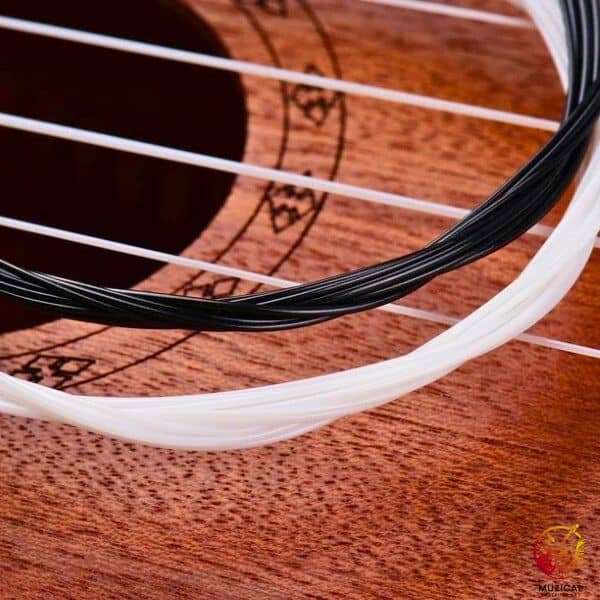

Nylon vs. Fluorocarbon Ukulele Strings Showdown
| Feature | Nylon (and Nylgut) | Fluorocarbon |
|---|---|---|
| Tone | Warm, mellow, round, “classic” | Bright, crisp, clear, “modern” |
| Sustain | Short (plunky) | Long (singing) |
| Volume | Softer / Quieter | Louder / More projection |
| Feel | Soft, “squishy,” thicker | Hard, “slick,” thinner |
| Tension | Lower (easier to press) | Higher (feels “tighter”) |
| Tuning Stability | Poor at first (stretches a lot) | Excellent (settles in fast) |
| Best For… | Strumming, beginners, vintage tone | Fingerstyle, performers, modern tone |
| Common Brands | Aquila (Nylgut), D’Addario (Nylon) | Martin (M600), D’Addario (Carbon) |
1. Tone (The Sound)
This is the most important part of the difference between nylon and fluorocarbon ukulele strings.
- Nylon (Nylgut): The sound is round, sweet, and “bouncy.” It blends beautifully when you strum chords. It’s the classic sound. If you want the best ukulele string type for a warm tone, this is it.
- Fluorocarbon: The sound is “zingy,” clear, and sharp. It’s like turning up the treble on your stereo. Every note in a chord is distinct. Some people find it too bright, almost “thin” or “plinky,” especially on a small soprano ukulele.
- Verdict: Do you want to sound like a traditional beach strummer? Choose Nylon. Do you want to play complex melodies that cut through the mix? Choose Fluorocarbon.
2. Feel (The Touch)
- Nylon:The strings are softer and have a bit of “give.” This is a lifesaver when you’re just building up your finger calluses.
- Fluorocarbon:The strings are harder and have a higher tension (they feel “tighter”). They are also thinner, which some players find easier to move around on.
- Verdict: Your fingers will hurt less with nylon at the start. This makes it the best ukulele string for beginners.
3. Durability & Tuning Stability
This is a major win for one side.
- Nylon: This is the #1 complaint from beginners. Nylon strings stretch. A lot. When you first put them on, they go out of tune in 5 minutes. This is called the “settling-in” period, and it can take 3-7 days of constant re-tuning before they become stable. It’s not a flaw; it’s just physics.
- Fluorocarbon: Fluoro does not stretch much. It settles in fast (maybe 1-2 days) and then holds its tune incredibly well. It’s also less affected by changes in temperature and humidity, so you can take your uke from an air-conditioned room to a humid beach without it immediately going out of tune.
- Verdict: Fluorocarbon wins on ukulele string durability and stability, hands down.
4. Volume & Projection
- Nylon: Softer and quieter. The sound is more personal and doesn’t “project” (travel) as far.
- Fluorocarbon: Fluoro is denser, so it’s noticeably louder. If you feel like your ukulele is too quiet, swapping to fluoro strings is the easiest way to get more volume.
- Verdict: Want to be heard? Go with Fluorocarbon.
5. Sustain (The Ring)
- Nylon: Short sustain. The note sounds, then fades quickly.
- Fluorocarbon: Long, long sustain. The note rings out… and keeps ringing.
- Verdict: This is purely a preference. Some people like the plunky, quick decay of nylon. Others love the long, harp-like sustain of fluorocarbon.
6. String Tension
- Nylon: Generally lower tension. They feel “floppier” and are easier to bend.
- Fluorocarbon: Generally higher tension. They feel “tighter” and more responsive.
- Verdict: This is part of the “feel.” Lower tension (Nylon) is easier to fret. Higher tension (Fluoro) can feel more precise.
7. Cost
- Verdict: It’s a Tie.
- A good set of either (Aquila Nylgut, Martin Fluoro, D’Addario Carbon) will cost you between $7 and $15. This is not a real factor in your choice. They are all cheap.
Which Ukulele String Material Suits You Best?
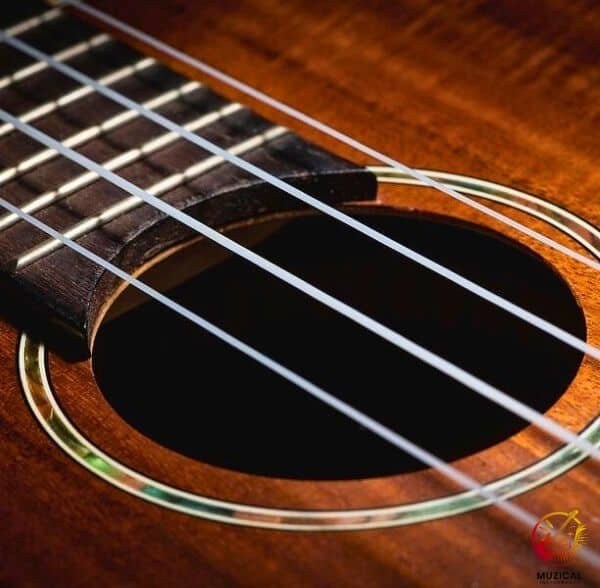
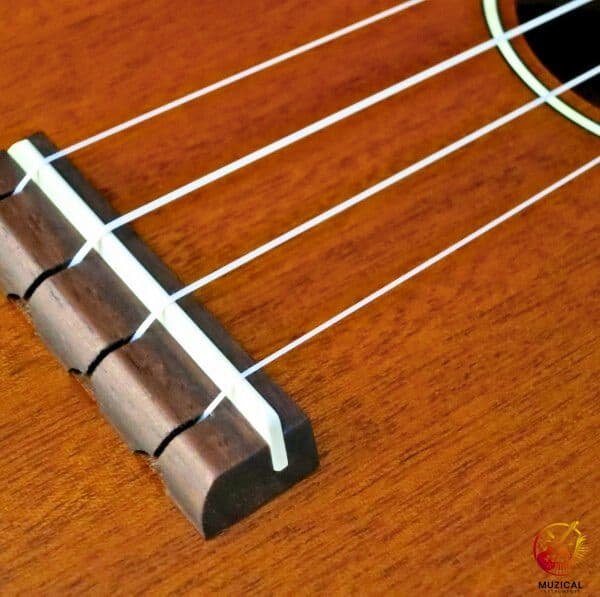
Consider Your Ukulele Size and Style
- If you have a soprano or concert ukulele and you enjoy gentle strumming or a mellow sound, nylon may be very suitable.
- If you have a tenor or larger instrument, or you do more fingerstyle, or you want more projection, fluorocarbon might shine.
- If you play live, in a louder setting, or want clarity and articulation, fluorocarbon has a strong case.
Consider Your Playing Style & Tone Goal
- Warm and soft tone? Choose nylon. You might prefer that for casual playing, mellow songs, recordings.
- Bright and punchy tone? Choose fluorocarbon. Great for strumming in a group, live playing, where you want each note to cut through.
- Think about your fingers: If you’re just beginning and your fingers aren’t used to pressing strings yet, the softer feel of nylon could make playing more comfortable.
Consider Setup, Adjustability & Pitfalls
- If availability is a concern, ensure you choose a brand you can import or access locally.
- Check string gauge and tension, especially if your instrument’s nut or bridge slots are sized for a particular diameter. One player noted nylon fit better in an older ukulele with thicker nut slots.
- When you switch materials, your ukulele may respond differently. You might need minor adjustments (eg. action height, intonation). Don’t assume “just change strings and ignore all else.”
- If your ukulele has a lively top (wood that vibrates strongly), a thinner high-tension fluorocarbon set might overdrive or sound harsh. In that case nylon might “temper” the tone.
| If You… | Consider Choosing |
|---|---|
| Want a mellow tone for home or recording | Nylon |
| Play in louder environments, want clarity | Fluorocarbon |
| Are new to ukulele and building finger strength | Nylon |
| Want higher tuning stability and less frequent string change | Fluorocarbon |
| Have a vintage ukulele with thick nut slots | Nylon (may fit better) |
| Use a modern tenor with strong top and want brightness | Fluorocarbon |
Buying Guide: What to Look For
When you shop for ukulele strings (whether nylon or fluorocarbon), keep these in mind:
- Gauge / tension: Some sets are “light”, “medium”, “high tension”. Make sure it fits your instrument and style.
- Scale size compatibility: Soprano, concert, tenor, baritone all use different lengths. Ensure the set fits your ukulele.
- Brand reputation / reviews: Good brands will have consistent quality, stable tuning behaviour, good durability.
- Nut/bridge slot size: If your nut or bridge slots are large, very thin fluorocarbon string may buzz; thicker nylon may fill slot better.
- Material provided: Some sets may be “clear nylon”, “black nylon”, “fluorocarbon clear”, “fluorocarbon brown (warmer)”. Eg. clear fluorocarbon is brighter, brown fluorocarbon a bit warmer.
- Your playing environment: If you live in humid, tropical climate, string stability matters, fluorocarbon may help.
- Your budget & supply chain: Make sure you can purchase replacements locally.
- Try before you decide: If possible, try both materials on your ukulele. The difference is noticeable and you’ll know what you prefer.
Common Mistakes Beginners Make
- Ignoring string size/tension: Some nylon sets require thicker string slots; if your bridge/ nut is for thinner strings you may get buzzing.
- Expecting one string type to be “perfect”: Many players find their tone depends on instrument, style, wood, tuning.
- Switching strings and ignoring setup: When you change string material, tension may change slightly, your action, intonation, nut may need minor adjustments.
- Choosing solely based on brand hype: Material matters more than brand name hype. Try both if possible.
- Not factoring in environment: In humid climates, string stability matters. Fluorocarbon may give you fewer tuning issues.
- Skipping your tone preference: Are you after mellow bedtime strumming? Or beach sing-along punch? Your tone goal should drive your material choice, not just “what everyone else uses.”
My “Best-Of” Picks
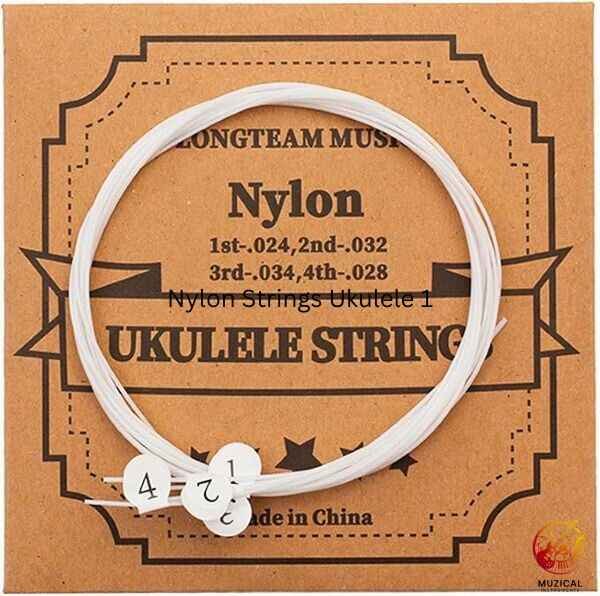
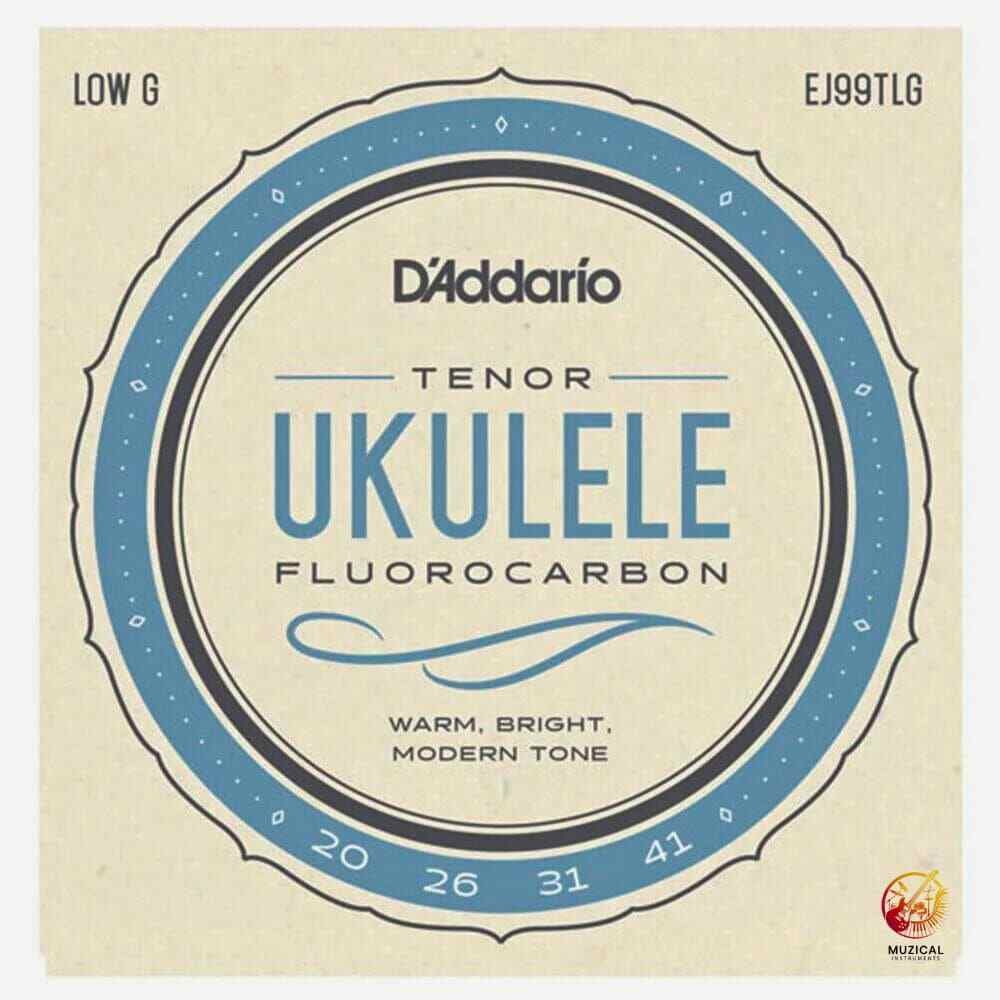
Here are my copy and paste picks.
- Best Overall for a Beginner:
- Aquila Supernylgut (103U/100U). This is the white, standard string. It’s the benchmark. Start here.
- Best for a Super Bright, Modern Tone (or a Tenor Uke):
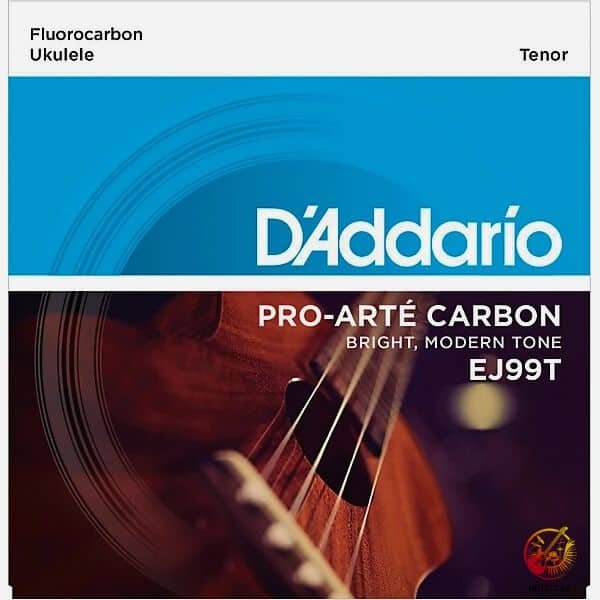
- Martin Ukulele Fluorocarbon (M600/M620). These are my personal favorites on my tenor. They are loud, bright, and last forever.
- Best for a Very Warm, Mellow, Vintage Tone:
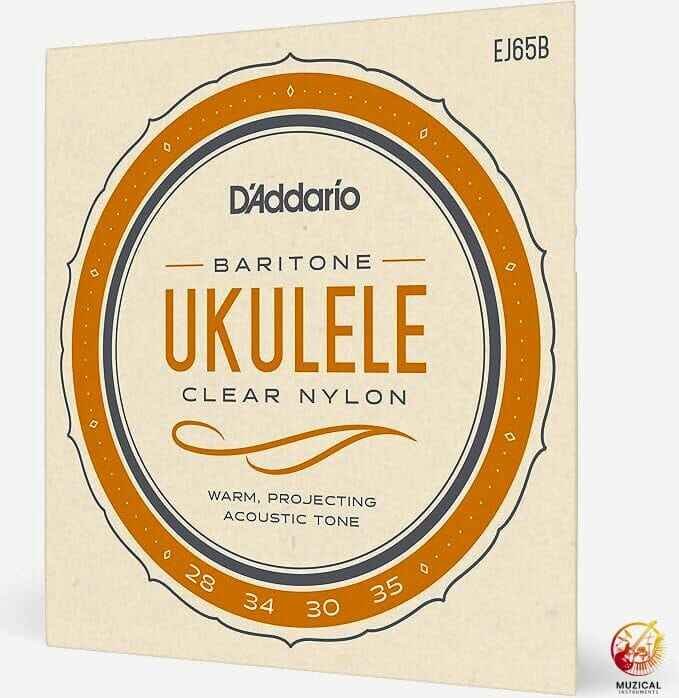
- D’Addario Pro-Arté Clear Nylon (EJ65S/EJ65C). If you find Nylgut too bright, this is your string. It’s very soft and mellow.
- Best for “Almost” Fluoro Brightness but “Almost” Nylon Feel:
- D’Addario “Titanium” (EJ87S/EJ87C). It’s not actually titanium. It’s a purple-tinted nylon-monofilament. It’s a great “in-between” string that’s bright and punchy.
The Final Verdict: Nylon vs Fluorocarbon Ukulele Strings
So, which should you choose in the nylon vs fluorocarbon ukulele strings battle?
Here’s the final, simple takeaway.
- Start with Nylon (specifically Nylgut). It’s the standard for a reason. It gives you the classic ukulele sound, it’s easy on your fingers, and it teaches you the (annoying) but important lesson of patience as the strings stretch.
- Switch to Fluorocarbon on your second string change. After 6 months, when your first set of strings gets old, buy a set of fluorocarbon. For $10, it’s the cheapest and fastest way to make your ukulele sound like a brand new, different instrument.
You can’t go wrong. The fun is in the experiment.
What do you think? Are you Team Nylon or Team Fluorocarbon? Let me know.
FAQ: Nylon vs Fluorocarbon Ukulele Strings
1. What are the best ukulele strings for a beginner?
The best ukulele strings for beginners are usually nylon (specifically Nylgut). They are much softer on your fingers, which makes practicing easier. They also give you that classic, warm, and happy ukulele sound.
2. Are fluorocarbon strings harder on your fingers?
Yes, fluorocarbon strings often feel a bit harder. They have more tension (they feel “tighter”) and are not as soft or “squishy” as nylon strings.
3. Which ukulele strings are brighter, nylon or fluorocarbon?
Fluorocarbon strings are much brighter. They have a crisp, clear, and loud sound. Nylon strings are the opposite; they sound much warmer, softer, and more mellow.
4. Is Nylgut the same as nylon?
No, but it’s very close! Nylgut is a special type of nylon made by the brand Aquila. It was invented to be better than old nylon. It’s a bit brighter and holds its tune better.
5. Why do my new ukulele strings keep going out of tune?
They are stretching! This is totally normal. New strings (especially nylon) need a few days to stretch before they “settle in.” Just keep tuning your uke every time you play, and it will stop.