What Is a Sustain Pedal and How Does It Work?

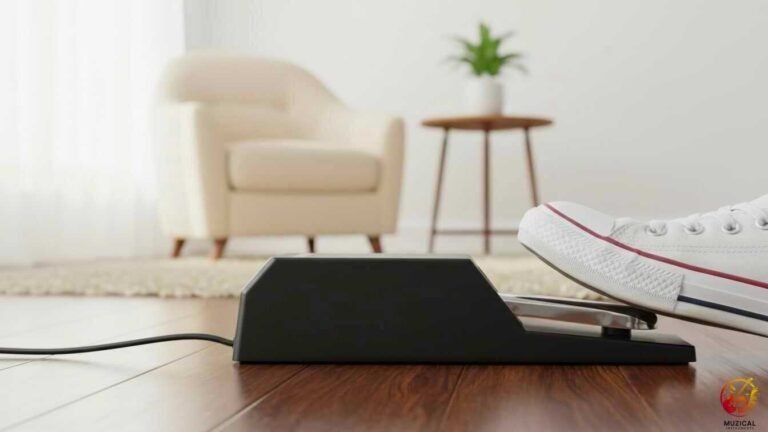
A sustain pedal is a small pedal you press with your foot while playing a piano or keyboard. It lets the notes keep ringing even after you lift your fingers. This makes your music sound smooth, full, and more alive.
In this guide, you will learn:
- What is a sustain pedal in simple words
- How it works when you press it
- Why pianists use it while playing
- If you need a sustain pedal as a beginner
- The difference between piano pedals and keyboard pedals
By the end, you will know if a sustain pedal is right for you and how it can make your playing sound better.
What Does A Sustain Pedal Do?
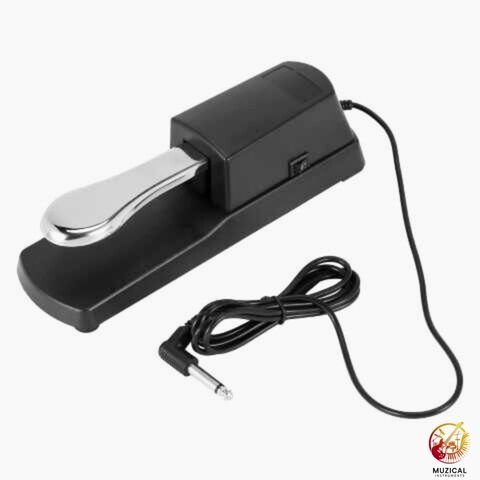
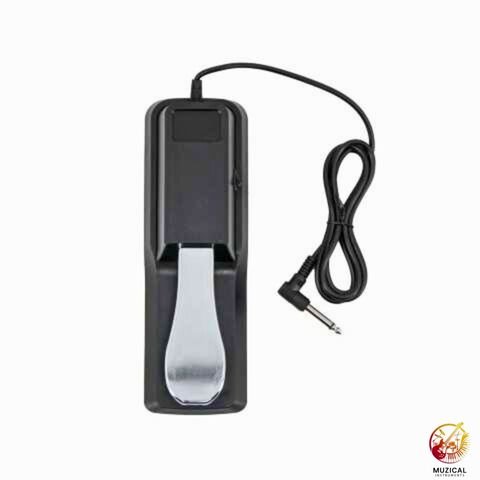
A sustain pedal helps notes keep ringing after you lift your fingers. When you press the pedal, the notes stay alive until you lift your foot. Without it, the sound stops right away.
It works like holding many keys at once using your foot. This helps notes flow smoothly and sound connected. Many pianists use it all the time for a richer sound.
The pedal sits on the floor under the piano. You press it with your right foot. On most pianos, it is the right-side pedal and the one used most often.
How Does A Sustain Pedal Work On A Piano?
It works by lifting small felt pads off the strings so the sound can keep going after you release the keys.
On an acoustic piano, these felt pads are called dampers. They sit on the strings and stop sound when you let go of a key. When you press the sustain pedal, all the dampers lift at the same time. This lets the strings vibrate freely.
Here is what happens step by step:
- You press a key and a hammer hits a string
- The string vibrates and makes sound
- When you lift your finger, the damper would stop the sound
- If the pedal is down, the damper stays lifted
- The sound keeps ringing until you lift your foot
This simple system has been used for hundreds of years and gives acoustic pianos their deep, rich sound.
How Does A Sustain Pedal Work On A Keyboard?
It works by sending a signal that tells the keyboard to keep the sound playing after you lift your fingers.
Keyboards do not have real strings. Instead, they use recorded sounds stored inside the keyboard. When you press the sustain pedal, it sends an electronic message through the cable. This message tells the keyboard to hold the note.
Here is what happens:
- You press a key and the keyboard plays a sound
- You lift your finger, but the sound does not stop
- The pedal tells the keyboard to keep the sound going
- The note stops only when you lift your foot
Most pedals plug into a jack marked “sustain” or with a pedal icon. Basic pedals work like an on and off switch. Better pedals can feel how far you press them. This gives you more control, like a real piano.
What Is The Difference Between Piano And Keyboard Sustain Pedals?
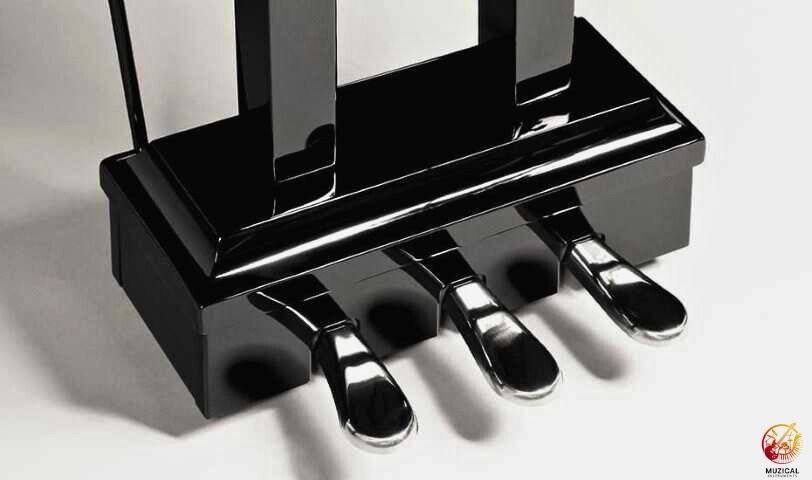
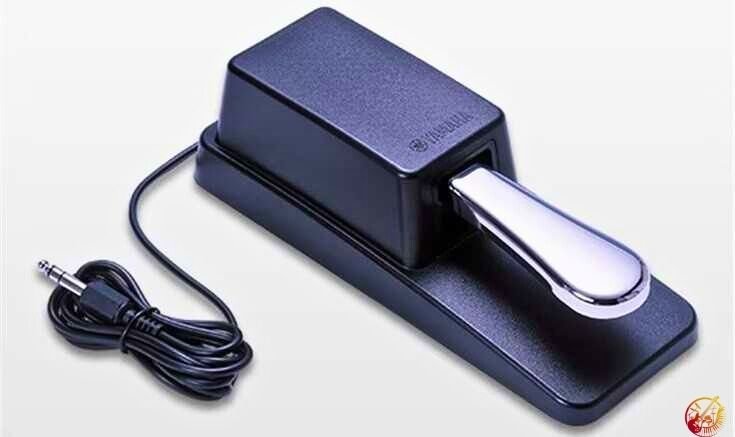
The main difference is how they are built and how much control they give you while playing.
Piano pedals are part of the piano itself. They use real parts like rods and levers. This gives a natural feel and smooth control. Keyboard pedals are add-ons. You plug them in with a cable. Some are very basic, while better ones feel closer to a real piano.
This table compares piano and keyboard sustain pedals based on where they sit, how they work, and how they feel during play.
| Feature | Piano Sustain Pedal | Keyboard Sustain Pedal |
|---|---|---|
| Where it is | Built into the piano | Separate pedal |
| How it works | Mechanical parts | Electronic signal |
| Pedal control | Smooth, partial press | On/off or partial |
| Weight | Heavy and stable | Light and portable |
| Floor grip | Never moves | May slide if cheap |
If you play often on a keyboard, a good pedal makes learning easier and more fun.
Is A Sustain Pedal Needed For Beginners?
Yes, a sustain pedal is needed for beginners. But you must learn to use it slowly and correctly.
At the start, you learn hand position, notes, and rhythm. These lessons do not need a pedal. After a few months, simple songs sound better with sustain. Many beginner books introduce it around lesson 10 or later.
Beginners usually need a sustain pedal when they:
- Play long, smooth notes
- Connect chords without gaps
- Add feeling to simple songs
- See pedal marks in sheet music
If you learn on a digital keyboard, plan to buy a pedal early. Many keyboards include one, but it is often basic and may slide on the floor.
How To Use A Sustain Pedal: The Basics
You use it by pressing the pedal after a note and lifting it at the right time to keep the sound clean.
Many beginners hold the pedal down too long. This makes the music sound messy. The goal is smooth sound, not loud noise. The basic method is called legato pedaling. It means smooth playing.
Here is the simple pattern:
- Play a note or chord
- Press the pedal right after you play
- Keep it down as you move to the next note
- Lift the pedal as you play the new note
- Press it down again right away
Place your heel on the floor and rest your toes on the pedal. Only your toes should move. Start with slow notes and listen closely. Good timing matters more than speed.
What Are Common Sustain Pedal Problems And Solutions
Most sustain pedal problems are easy to fix with a few quick checks and small changes.
Pedal does nothing: Make sure the cable is pushed in all the way. Try another pedal jack if your keyboard has one. Some keyboards need a pedal setting turned on.
Pedal works backward: If sound holds when your foot is up, change the pedal setting. Look for a switch or menu option called polarity.
Pedal slides on the floor: Place it on carpet or use a rubber mat. Better pedals have grips that stop sliding.
Sound feels messy: You may hold the pedal too long. Lift and press it again when the notes change.
Half-pedal not working: Your pedal or keyboard may not support it. Check the specs before upgrading.
Do All Keyboards Support Sustain Pedals?
No, most do, but some small or low-cost keyboards do not.
Many full-size keyboards with 61 keys or more include a sustain pedal jack. Smaller keyboards and toy pianos often skip it. Before you buy, check the back of the keyboard. Look for a jack labeled “sustain,” “damper,” or a pedal symbol.
Some advanced keyboards support three pedals, like a real piano. These include sustain, soft, and middle pedals. Most learners only need the sustain pedal.
Very cheap keyboards may not have any pedal input. This limits how expressive your playing can be. Paying a little more for a keyboard with a sustain jack is worth it.
How To Choose The Right Sustain Pedal For My Keyboard
Pick a pedal that feels solid, works well, and fits your budget.
Build quality: Look for metal or strong plastic. A heavier pedal with rubber grips stays in place.
Half-pedaling: Some pedals let you control how long the sound lasts. This is good for serious players.
Cable length: Make sure the cable reaches your keyboard comfortably. Most are about 6 feet.
Brand compatibility: Check your keyboard manual. Some brands like Yamaha, Roland, M-Audio, and Casio make pedals that fit perfectly.
Price: A mid-range pedal around $30–$60 usually gives the best balance of quality and cost. Generic pedals can work but read reviews first to avoid cheap, slippery pedals.
How To Take Care And Maintain A Sustain Pedal
Taking care of your pedal keeps it working well for years.
For digital keyboard pedals:
- Keep the cable safe from kinks or damage
- Wipe the pedal clean sometimes
- Check the jack if the pedal feels unresponsive
- Store it so the cable isn’t bent or pulled
For acoustic piano pedals:
- Vacuum around the pedal mechanism inside the piano
- Have a technician check the parts during tuning
- Listen for squeaks or grinding (may need lubrication)
- Don’t step on pedals when not playing
Most pedals last a long time. On digital pedals, the cable is the most common problem. Handle it gently and avoid yanking it from the keyboard.
Final Thoughts: What Is A Sustain Pedal And Why It Matters
A sustain pedal is not just an extra tool, it is part of your instrument. It helps your notes ring longer and makes your music sound smooth and expressive.
Beginners don’t need it right away, but you’ll want a good pedal within a few months. Use it gently, listen carefully, and practice proper timing.
A quality pedal makes your playing feel more connected and musical. Taking care of it ensures it lasts for years.
Invest in a pedal, and let your music breathe with richer, fuller sound every time you play.
FAQ: What Is A Sustain Pedal And How Does It Work?
1. Is the sustain pedal the same as the damper pedal?
Yes, they are the exact same thing! “Damper pedal” is the technical name because it moves the dampers inside the piano. “Sustain pedal” is the nickname musicians use because it describes what the sound does (it sustains, or lasts longer). You can use either name.
2. Which foot do you use for the sustain pedal?
You should always use your right foot. Even if you are left-handed, the sustain pedal is located on the far right side. You keep your heel on the floor and press the pedal with the ball of your foot, just like using a gas pedal in a car.
3. Do I really need a sustain pedal for my keyboard?
If you are just learning your first few notes, you can wait a little while. But eventually, yes. Without it, your music will sound choppy and dry. The pedal is the secret ingredient that makes piano songs sound smooth and connected.
4. What do the other pedals on a piano do?
Most acoustic pianos have three pedals.
Right: Sustain pedal (holds all notes).
Left: Soft pedal (makes the sound quieter and softer).
Middle: Sostenuto pedal (holds only the specific notes you are playing at that moment), though on upright pianos, this is often a “practice” pedal that makes the piano very quiet.
5. Can I use any sustain pedal with any keyboard?
Mostly, yes! Most pedals use a standard plug (1/4 inch jack) that fits almost any keyboard. However, sometimes a pedal might work backwards (the sound stops when you press it). If this happens, look for a small switch on the side of the pedal to flip it back to normal.