
Soft vs Hard Cases for MIDI Controllers: Which One You Should Choose?

A hard case keeps your MIDI controller very safe. It can handle drops and bumps. But it is heavier to carry. A soft case is light and easy to move. But it does not protect as much from hard hits.
Your best choice depends on how you travel. It also depends on how careful you are with your gear.
This guide will help you understand the key differences between soft vs hard cases for MIDI controllers. You will learn which case fits your travel style, what materials protect your controller best.
Soft vs Hard Cases for MIDI Controllers: Key Features to Consider
This table compares soft and hard MIDI controller cases based on protection, weight, and durability.
| Feature | Soft Case | Hard Case |
|---|---|---|
| Impact Protection | Moderate (cushions bumps) | Excellent (prevents crushing) |
| Weight | 1–3 lbs | 3–7 lbs |
| Price Range | $30–$80 | $80–$250 |
| Water Resistance | Poor to Moderate | Excellent |
| Storage Pockets | Usually yes | Sometimes yes |
| Durability | 3–5 years | 10–15 years |
| Portability | Excellent | Moderate |
| Stacking Ability | Poor | Excellent |
What’s the Main Difference Between Soft and Hard Cases for MIDI Controllers?
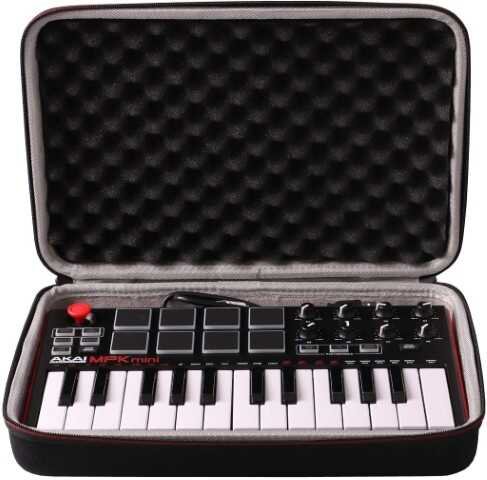
Hard cases are made from strong plastic or metal. They form a solid shell around your controller. This shell protects knobs and sliders from hard hits. If you drop the case, your gear stays safe.
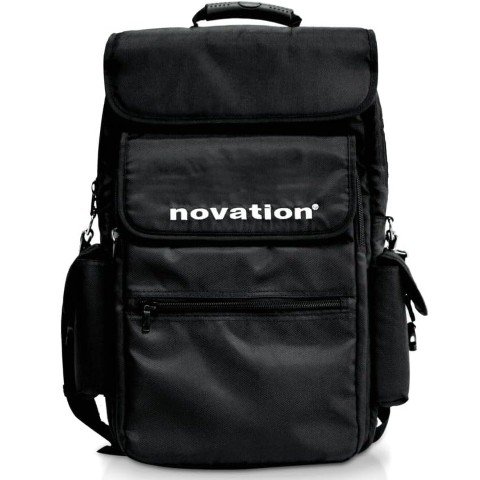
Soft cases are made from fabric with thick padding inside. The padding helps absorb small bumps. But the case can bend if something heavy presses on it.
The big choice is safety versus ease. Hard cases protect more. Soft cases are easier to carry.
Hard cases also weigh more. They can add a few extra pounds to your bag.
Soft cases cost less. Hard cases cost more. Many beginners start with a soft case and upgrade later.
Do I Really Need A Hard Case For My Midi Controller?
You need a hard case if your gear goes into a pile with other heavy equipment. Hard cases are built like tanks. They use strong plastic or wood to stop heavy items from crushing your controller.
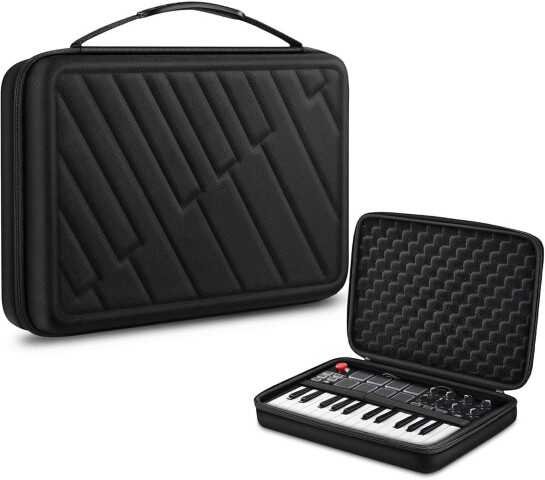
If you play in a band and load gear into a van, a hard case is a must. A sliding guitar amp can break keys in seconds. Hard cases weigh more and cost more, but they are the safest choice for flights or rough travel.
Hard cases also last much longer. A good hard case can protect your controller for 10 to 15 years. Soft cases wear out faster. Zippers fail. Padding flattens. Fabric tears after a few years.
Storage is easier too. Hard cases stack neatly in closets or under beds. Soft cases slump and waste space.
Is A Soft Case Enough For Local Gigs?
Yes, a soft case (or gig bag) is perfect for most local musicians. If you carry your own gear and put it gently in the back seat of your car, a soft case is plenty of protection.
Soft cases are lightweight and easy to carry. Most have backpack straps, which keeps your hands free to open doors or carry other bags. They also have big pockets for your laptop, USB cables, and pedals. Hard cases almost never have these pockets. If you are careful with your gear, a soft case saves you money and weight.
When Should You Choose A Hard Case Over A Soft One?
You should choose a hard case when your controller faces rough travel or outdoor use. Hard cases protect your gear from bumps, heavy weight, and bad weather.
- Flying is the clearest reason. Bags get tossed and stacked. A hard shell keeps keys and knobs safe.
- Festivals and outdoor shows also need hard cases. Rain, dust, and heat can damage electronics fast.
- Tour vans are another danger zone. Gear gets piled up every day. Drums and amps can crush soft cases.
- Rental companies only use hard cases. They expect rough handling and need gear to survive.
- If your controller costs a lot, a hard case makes sense. It protects your money.
- Beach or park gigs also call for hard cases. Sand and heat can ruin gear.
How Do Weight and Size Affect Your MIDI Controller Case Choice?
Weight and size affect your case choice because they change how easy it is to carry and store your controller. A lighter case is easier on your body and fits more places.
A small 25-key controller in a soft case weighs about 6 to 8 pounds. The same controller in a hard case can weigh 10 to 12 pounds. That extra weight feels heavy when you walk far.
Hard cases also take up more space. They do not bend or squish. This can be a problem in car trunks or small rooms.
Larger controllers get heavy fast in hard cases. Carrying them can hurt your back over time.
If you use buses or trains, light cases help a lot. Stairs and tight spaces are easier to handle.
Soft cases store better at small venues. Hard cases need more room and planning.
What About Weather Protection for Your MIDI Controller?
Weather protection matters because rain, heat, and dust can damage your MIDI controller fast. If you play outdoors or travel often, this protection is important.
Rain can ruin electronics in minutes. Water can reach ports and wires and cause rust. A hard case keeps water out better than a soft case.
Hard cases close tightly. Many use rubber seals that block rain and damp air. Soft cases soak through when wet.
Heat and cold also cause problems. Hot cars can bend plastic parts. Cold weather can slow screens and buttons. Hard cases with foam help keep temperatures steady.
Dust and sand are silent enemies. Tiny grains slip under keys and into knobs. This makes controls act strange over time. Hard cases seal out dirt better.
If you play near beaches or parks, a hard case is the safer choice.
How to Protect Your MIDI Controller from Damage with Either Case Type
You can protect your MIDI controller in any case by packing it the right way. Good habits matter more than the case type.
- Place the controller face-up or on its side. Do not rest it on the knobs.
- Unplug all cables before packing. Plugged cables can snap the ports.
- Add silica gel packets to absorb moisture. Old shoe box packets work fine.
- Wipe the keys and pads before storing. Clean gear lasts longer.
- Center pitch and mod wheels if your controller has them. This reduces spring stress.
- Keep the case away from speakers and amps during storage. Magnets can cause issues.
- Check your case often for cracks or tears. Fix or replace it early.
How to Choose Your First MIDI Controller Case (Beginner’s Guide)
You should start with a soft case for your first MIDI controller. It gives enough protection while you learn how and where you play.
Start Simple
A padded soft case works well for beginners. It is light and easy to carry. You can use it at home or on short trips.
Measure Before You Buy
Measure your controller’s length, width, and height. A loose case lets it slide. A tight case may not close.
Check Return Policies
Buy from stores that allow returns. Padding and zippers feel different in person.
Look at Model Fit
Some cases fit one model only. These fit well but limit future upgrades.
Read Real Reviews
Check reviews from long-term users. Look for comments after months of use.
Brand-Made Cases
Controller brands sell matching cases. The fit is great, but the price is higher.
How Much Should You Spend on a MIDI Controller Carrying Case?
You should spend about 10–15% of your MIDI controller’s price on a carrying case. This ensures enough protection without overspending.
Budget Cases
Cases under $30 usually fail fast. Padding flattens, zippers break, and you end up replacing them within a year.
Mid-Range Cases
Spending $50–$100 gives the best value. These cases protect your controller, last longer, and cost less than premium options.
Premium Cases
Cases over $150 suit professionals who travel a lot. They include custom foam, reinforced hinges, and sometimes lifetime warranties.
Used Cases
Buying used can save money, but inspect carefully. Check padding, zippers, and any cracks. A fair price is about 40–50% of new.
Think Long-Term
A $100 hard case that lasts 10 years costs $10 per year. A $40 soft case lasting 3 years costs $13 per year. Spending a little more upfront can save money over time.
Case Type Recommendations By Controller Size
Here’s a simple guide to help you pick the right case based on your controller size and how often you travel:
| Controller Size | Travel Frequency | Recommended Case Type | Estimated Price |
|---|---|---|---|
| 25-key | Rare (home studio) | Padded soft case | $30–$50 |
| 25-key | Frequent (weekly gigs) | Hard shell case | $70–$100 |
| 49-key | Rare to moderate | Soft case with wheels | $60–$90 |
| 49-key | Frequent | Hard case with wheels | $120–$180 |
| 61-key | Any frequency | Hard case mandatory | $150–$250 |
| 88-key | Any frequency | Flight case with wheels | $250–$400 |
Soft Vs Hard Case For Midi Controllers: Making Your Final Decision
Choose a soft case if you mostly make music at home, travel short distances by car, want something light, or need to save money. A padded soft case protects your controller in safe, controlled environments.
Pick a hard case if you fly often, play outdoor shows, tour with other gear, own expensive controllers, or pack tightly with other equipment. Hard cases give the best protection when travel risks are high.
Think about how you use your gear. Consider your travel habits, how often you gig, your budget, and how much weight you can carry comfortably. The right MIDI controller case keeps your gear safe, lasting longer, and working reliably for years.
FAQ: Soft vs Hard Cases for MIDI Controllers
1. Do I really need a case for my MIDI controller?
Yes, even if it stays in your bedroom. Dust is a big enemy for electronic gear. It can get inside the keys and make them stop working over time. If you never travel, a simple dust cover or a thin soft case is enough to keep it clean and safe.
2. Can I take my MIDI keyboard on an airplane?
Small controllers (like 25-key models) usually fit in your carry-on bag or under the seat. Bigger keyboards must be checked in with the large luggage. If you check it in, you must use a heavy-duty hard case. If you use a soft bag, heavy suitcases could crush your gear.
3. Is a hard case worth it for a cheap controller?
Usually, no. If your controller costs $50, buying a $100 hard case does not make sense. For cheaper gear, a padded soft case is the best choice. It stops scratches and light bumps without costing more than the instrument itself.
4. How can I protect my controller in a regular backpack?
If you don’t have a special case, wrap your controller in a thick towel or a hoodie before putting it in your bag. This adds a soft layer of protection. Be careful with the knobs, make sure they are covered so they don’t snap off or get caught on the zipper.
5. What is the difference between a gig bag and a flight case?
A gig bag is soft and light, made of fabric and foam like a school backpack. It is perfect for car rides and walking. A flight case is a heavy box made of hard plastic or wood with metal edges. It is very strong but heavy, designed for touring bands and airplanes.


