Best Nylon Ukulele Strings for Smooth Play and Long Life (2026 Review)

Affiliate Disclosure
This post may contain affiliate links. If you buy through them, I may earn a small commission at no extra cost to you. This helps support the site and keeps our content free for you.
If you prefer not to use affiliate links, you can search products directly on the maker’s site.
Your ukulele deserves strings that sing, not squeak.
The right nylon strings can make your uke sound alive, bright, warm, and full of joy.
Old or dull strings can ruin that fun fast. But when you use the right set, even a budget ukulele can sound amazing.
In this guide, you’ll find the best nylon ukulele strings for every style and budget.
You’ll see which ones sound the richest, last the longest, and feel smooth under your fingers.
For most players, the Aquila Super Nylgut set hits the perfect balance between tone, comfort, and durability.
Quick Picks: Best Nylon Ukulele Strings
| Product Name | Image | Best For | Stability Rating | Key Feature | Check Price |
|---|---|---|---|---|---|
| Aquila Super Nylgut (AQ-S/C/T) | 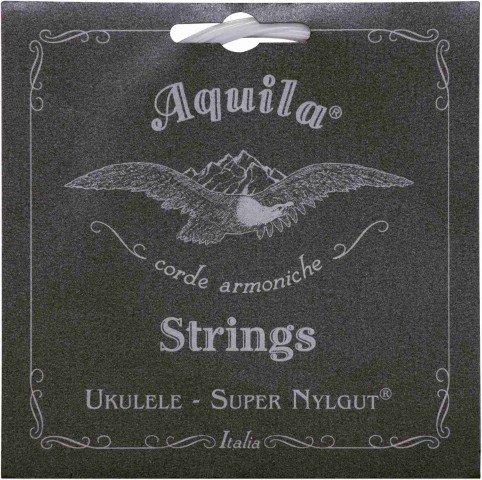 | Best Overall Beginner | 4.5 | Classic, happy Nylgut tone with strong projection | Price |
| D’Addario Pro-Arte | 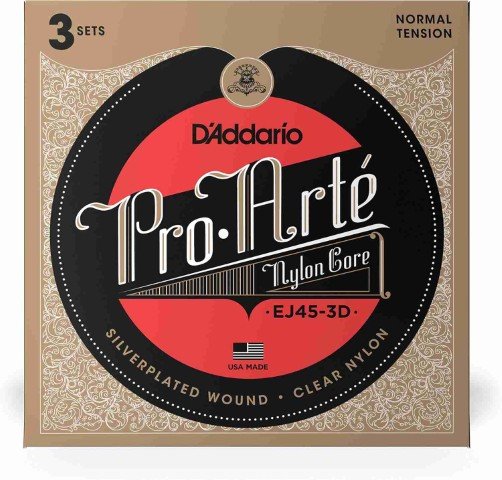 | Best for Warmth & Clarity | 4.5 | Pro-level tone with rich warmth | Price |
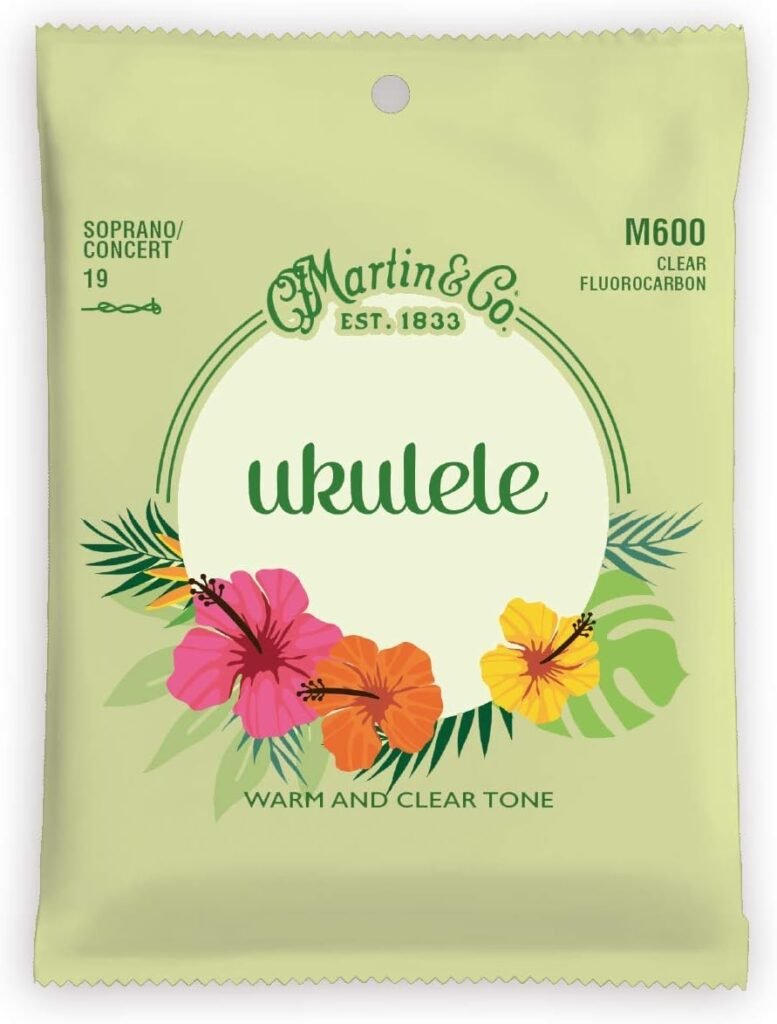
| Martin M600 (Fluorocarbon) | 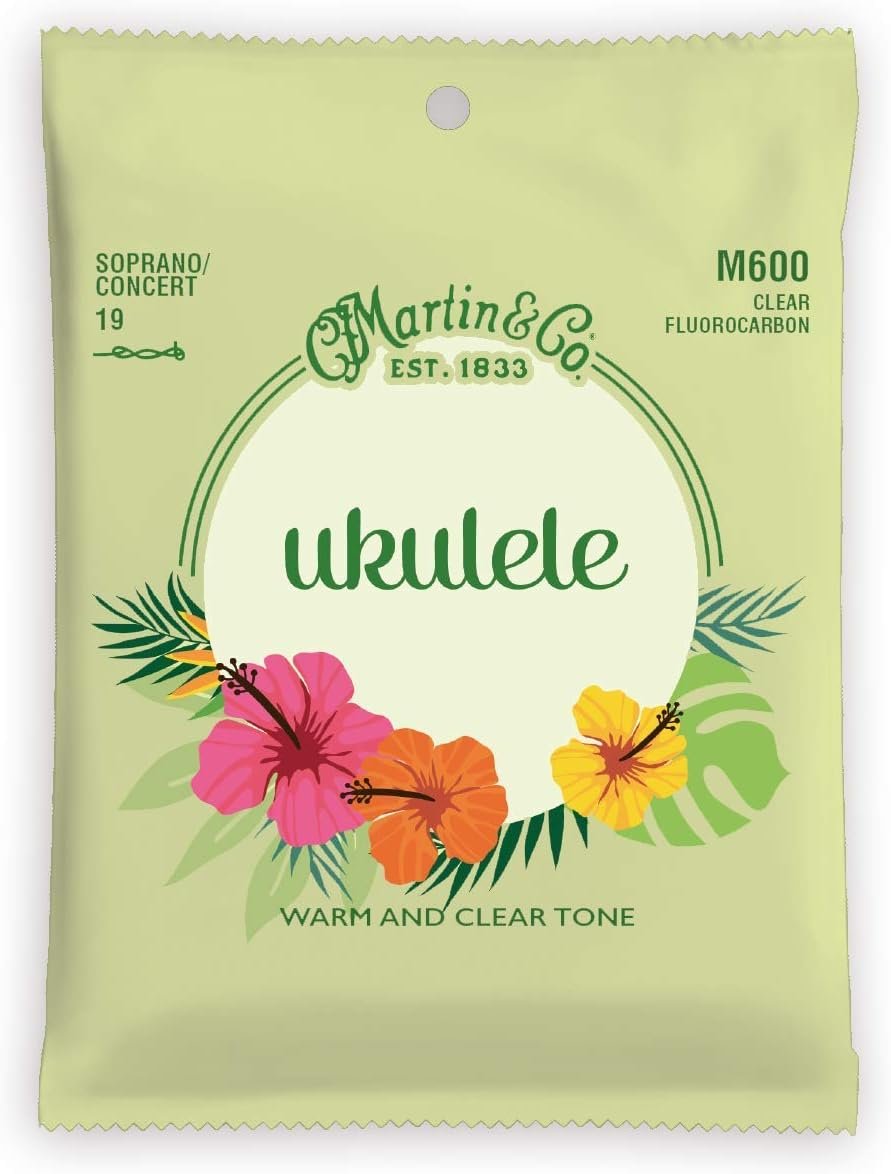 | Best for Tuning & Brightness | 5 | Super stable tuning and long sustain | Price |
| GHS H-10 (Black Nylon) | 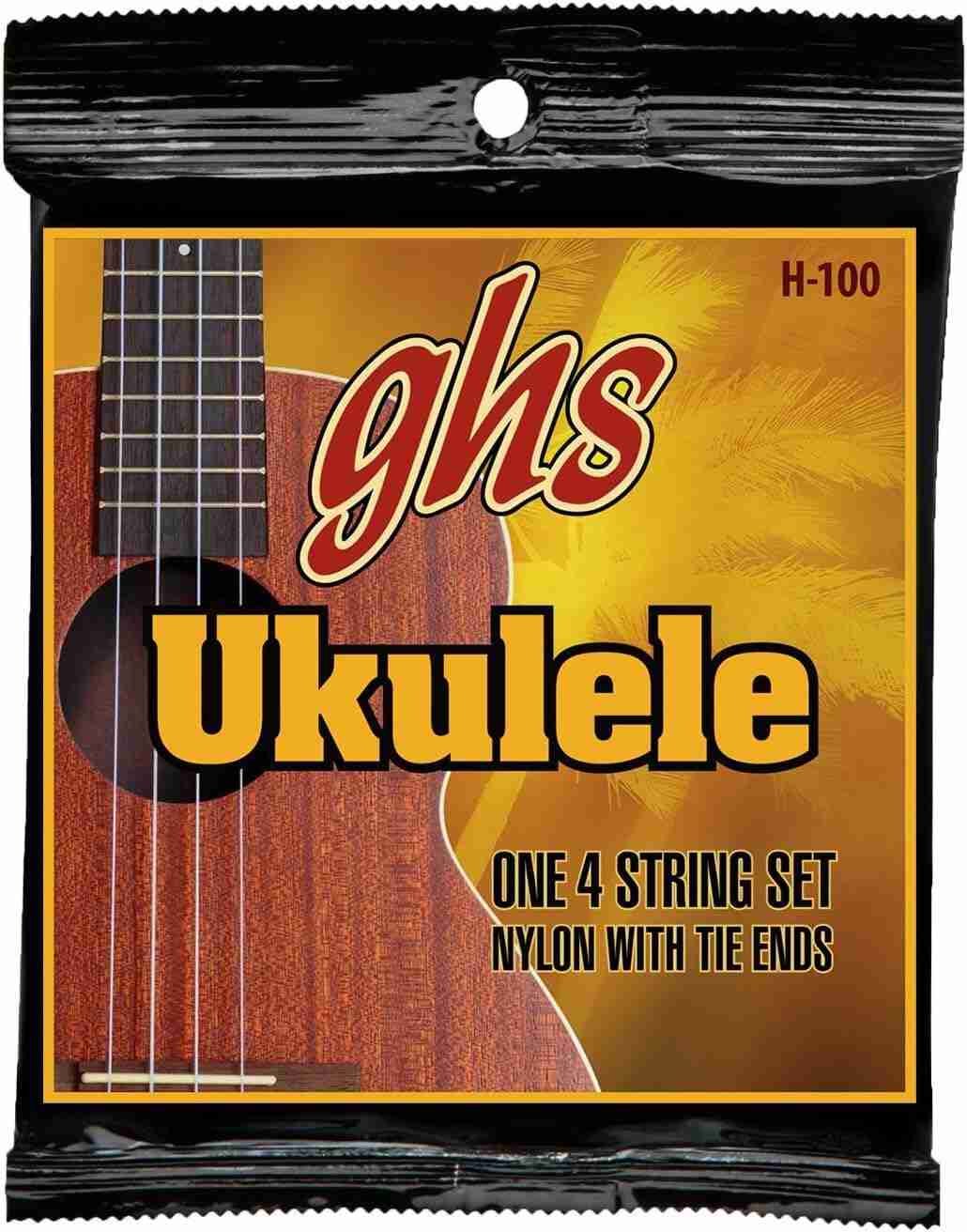 | Best Vintage Tone | 4 | Old-school, mellow “retro” sound | Price |
| La Bella Uke-Pro (No. 100) |  | Best for Intonation | 4 | Classic nylon tone with great tuning accuracy | Price |
In-Depth Nylon Ukulele String Reviews
A new set of strings is the cheapest and fastest way to make your ukulele sound better. Let’s look at the top choices.
1. Aquila Super Nylgut (Our Top Pick)
Overview
Aquila strings are loved by ukulele players all over the world. Made from a special material called Nylgut, they sound like traditional gut strings but are much stronger. They make even a cheap uke sound rich and full.
Key Features
- Patented Nylgut Material: Bright, strong, and warm tone.
- Excellent Tuning Stability: Takes a few days to stretch, then stays in tune.
- Great Projection: Loud and clear sound that fills the room.
Our Take
These are the go to strings for beginners and hobbyists alike. They give that signature “happy” ukulele tone, bright, lively, and full.
Just note: they stretch a lot in the first day or two. Retune several times until they settle. Once they do, they hold tuning beautifully.
Pros
- Loud, bright, and clear tone
- Makes any ukulele sound fuller and more alive
- Excellent tuning stability after break-in
Cons
- Takes 1–2 days to settle in
- Might sound too bright for mellow players
Best For: Beginners and all-round players who love the classic ukulele sound.
2. D’Addario Pro-Arte – Custom Extruded Nylon
Overview
D’Addario is a trusted brand in string making. The Pro-Arte series uses high-quality nylon that gives a warm, rich, yet clear tone.
Key Features
- Custom Extruded Nylon: Laser-sorted for perfect consistency.
- Warm, Projecting Tone: Ideal for strumming and fingerpicking.
- Excellent Intonation: True pitch across all frets.
Our Take
These strings feel slightly thicker and tighter than basic nylon sets, which gives them power and control.
Chords sound full, while single notes shine clearly. They offer the warmth of nylon with a hint of brightness, perfect for players who want depth and detail.
Pros
- Clear, warm sound with strong projection
- Perfect intonation
- Great for both strumming and picking
Cons
- Higher tension can feel a bit stiff for total beginners
- Not as bright as Aquila or fluorocarbon
Best For: Intermediate players who want rich warmth with clarity.
3. Martin M600 (Fluorocarbon)
Overview
Martin M600 is not nylon strings but fluorocarbon. They stay in tune longer and sound crisp and bright.
Key Features
- 100% Fluorocarbon: Super clear tone with long sustain.
- Tuning Stability: Better than most nylon sets.
- Accurate Intonation: Notes ring true all over the neck.
Our Take
If your uke keeps slipping out of tune, the M600s will solve that. They’re incredibly stable and produce a clean, modern tone.
They feel a bit thinner under your fingers but offer unbeatable clarity and sustain.
Pros
- Excellent tuning stability
- Bright, crystal-clear tone
- Long sustain for melodic playing
Cons
- Not as warm or traditional sounding
- Slightly stiffer feel
Best For: Players who want a modern, bright sound and don’t like tuning often.
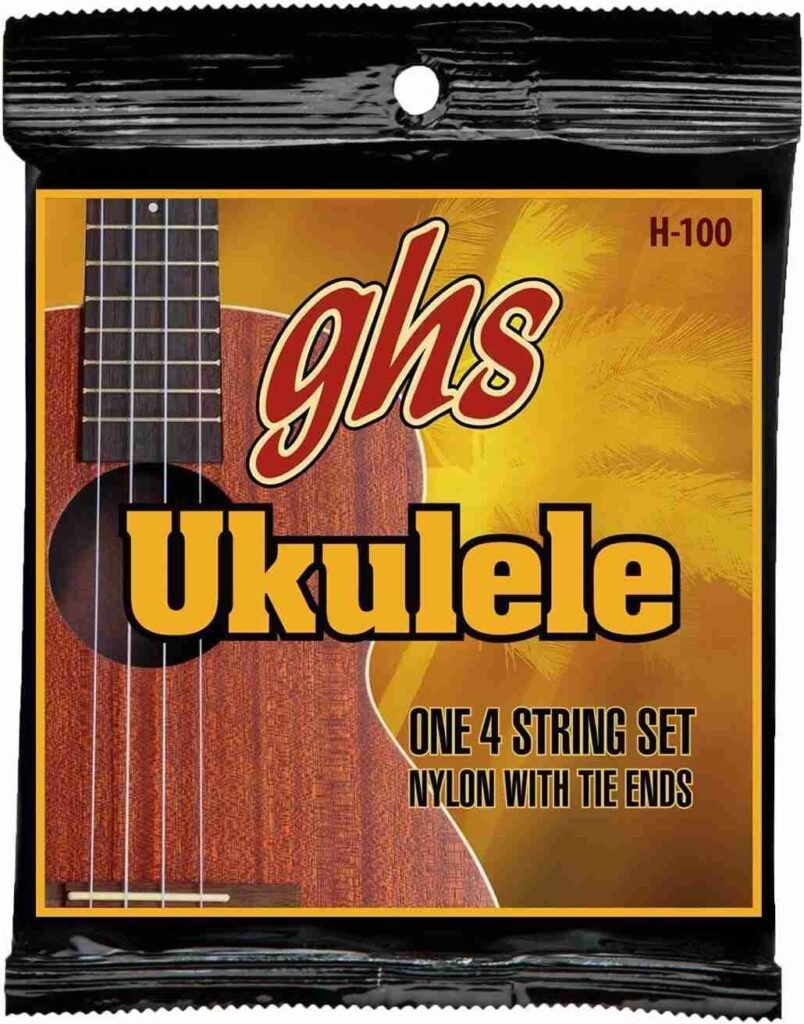
4. GHS H-100 (Black Nylon)
Overview
The GHS H-100 set gives your uke a soft, dark, vintage voice. The black nylon material feels silky and reduces finger noise.
Key Features
- Black Nylon: Smooth texture, low squeak.
- Vintage Warmth: Soft, mellow tone for classic songs.
- Quiet & Gentle: Great for relaxed, personal playing.
Our Take
If your ukulele sounds too sharp or “tinny,” these strings will mellow it out. Perfect for jazz, folk, or old Hawaiian styles.
They aren’t loud, but that’s part of their charm.
Pros
- Very warm, vintage sound
- Silky smooth feel
- Great price
Cons
- Lower projection (quiet)
- Can sound too soft for bright lovers
Best For: Players who love mellow, old-school ukulele tones.
5. La Bella Uke-Pro (No. 100)
Overview
La Bella has been making strings for centuries. Their Uke-Pro set offers a warm, rounded tone that’s clean and stable.
Key Features
- Rectified Nylon: Polished for smoothness and perfect shape.
- Balanced Intonation: In-tune sound across the fretboard.
- Classic Warmth: Natural nylon feel and tone.
Our Take
A true hidden gem. These strings balance warmth, clarity, and stability. They’re perfect for players who want accurate pitch up the neck.
They take a couple of days to stretch but reward you with a stable, consistent sound.
Pros
- Fantastic intonation
- Smooth, round tone
- Excellent price for quality
Cons
- Not very loud
- Needs break-in time
Best For: Players who want classic tone and perfect tuning accuracy.
What to Consider When Choosing Nylon Ukulele Strings
When you’re picking the best nylon ukulele strings, here are key factors you should check.
1. Material:
- “Nylon” usually means standard synthetic nylon. It gives warm tone but can be less bright.
- “Nylgut” or similar materials attempt to mimic gut tone but with stability.
- “Fluorocarbon” (not nylon) is brighter and more stable but may cost more and feel different.
2. String Tension:
- Higher tension means louder, more projection, but harder to press.
- Lower tension is easier on fingers, good for beginners or small ukuleles.
3. Tone Preference:
- Do you want warm and mellow, or bright and punchy?
- Nylon sets tend to be warmer. Bright sets may use thinner strings or alternate materials.
4. Ukulele Size and Quality:
- Soprano vs concert vs tenor: scale length changes tension.
- A cheap ukulele might not handle high-tension strings well, buzzing or warping risk.
5. Durability & Stability:
- Good sets hold tuning, respond well after break-in, and don’t stretch endlessly.
- Nylon may stretch more at first. Give them time to settle.
6. Budget vs Quality:
- Beginner sets vs premium sets: you pay more for tone, materials, brand.
- But you don’t need the most expensive if you’re just learning.
7. Brand & Availability
- Some brands (like Aquila and D’Addario) are trusted in the ukulele world.
- Having local availability helps if you need replacements quickly.
8. Usage Style
- Strumming vs fingerstyle: Fingerstyle may benefit from lower tension or warmer tone.
- Travel or gigging: durability and tuning stability become more important.
9. Break-In Time
- New strings often need a few hours/days of playing before they settle.
- Consider tuning often in the first 24-48 hrs.
10. Material vs Climate & Environment
- Nylon and other synthetic strings are susceptible to temperature/humidity changes.
- If you live in a humid or hot region, stability matters.
Installation Tips for Long String Life
Proper installation extends string life and improves performance. Follow these steps for best results.
- Clean Your Hands: Oils and dirt transfer from fingers to strings. Wash hands before playing. Consider wiping strings after each session with a dry cloth.
- Proper Tying Technique: Learn correct string-tying methods for your bridge type. Poorly tied strings slip and go out of tune constantly. Many YouTube tutorials demonstrate proper techniques.
- Stretch Carefully: After installation, gently stretch each string by pulling it away from the fretboard. This removes some initial stretch and speeds break-in. Don’t overdo it, excessive force causes premature wear.
- Trim Excess Length: Cut string ends close to tuning pegs. Long ends look messy and can interfere with tuning. Leave about half an inch for safety.
- Replace Complete Sets: Avoid mixing old and new strings. Worn strings sound different from fresh ones. Complete set replacement ensures balanced tone across all strings.
When to Replace Nylon Strings
You’ll know it’s time to change strings when:
- The tone sounds dull or muted.
- Tuning slips often.
- The strings feel rough or discolored.
Most nylon strings last 3–6 months, depending on how often you play.
Our Final Recommendation: Best Nylon Ukulele Strings in 2026
The best nylon ukulele strings are the ones that fit your style and sound. Every player is different, and so is every ukulele.
If you love a bright, happy tone, start with Aquila Super Nylgut. They’re strong, loud, and full of that classic ukulele sparkle.
If you want a smoother, pro-level sound, try D’Addario Pro-Arte. They feel rich and clear under your fingers.
The fun part is testing and hearing the difference yourself. Strings don’t cost much, but they can change your sound in a big way.
So grab a set, tune up, and find the voice that makes your ukulele sing.
Happy strumming!
FAQ: Best Nylon Ukulele Strings
1. Are nylon or fluorocarbon ukulele strings better?
Neither one is “better,” they are just different! Nylon strings sound warmer, softer, and more traditional. Fluorocarbon strings sound brighter and clearer, and they stay in tune very well. It’s all about the sound you like the most.
2. How often should I change my ukulele strings?
Most people should change their strings every 3 to 6 months. If you play every day, you might change them sooner. You’ll know it’s time when your ukulele starts to sound dull or has a hard time staying in tune.
3. Are Aquila strings really the best for ukuleles?
Aquila strings are the most popular in the world for a reason! They make a special material called “Nylgut” which is very bright and loud. Many players feel they make their ukulele sound better. They are a fantastic choice for most beginners.
4. Do nylon ukulele strings stretch a lot?
Yes, all new nylon strings stretch. This is perfectly normal! For the first day or two, you will need to tune your ukulele often. After they are done stretching (we call this “settling in”), they will hold their tune just fine.
5. What’s the difference between black and clear nylon strings?
Black nylon strings usually sound a little warmer and more “mellow” than clear nylon strings. Clear nylon strings often sound a bit brighter and have a tiny bit more “zing” to them.