Appalachian Mountain Dulcimer Buying Guide: Find Your Perfect Instrument

The Appalachian Mountain dulcimer is one of America’s most beautiful folk instruments. Its soft, sweet tone has echoed through mountain cabins and folk festivals for generations.
Today, more people are discovering this simple, soulful instrument and want to own one themselves.
In this Appalachian Mountain Dulcimer buying guide, you’ll learn how to choose the right dulcimer for your skill level, what types and woods to look for, how much to spend, and where to buy one.
Let’s help you find the best Appalachian Mountain dulcimer that feels and sounds just right for you.
What Is an Appalachian Mountain Dulcimer?
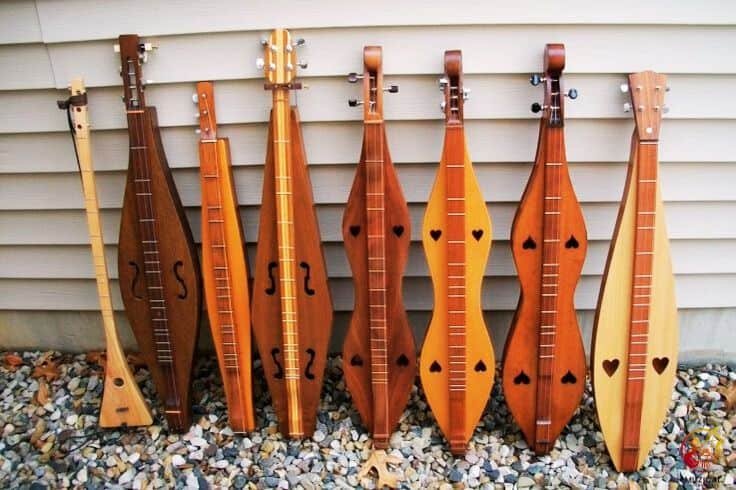
The Appalachian dulcimer, often called the mountain dulcimer, is a string instrument that belongs to the zither family. It’s known for its hourglass or teardrop shape and its gentle, resonant tone.
You play it on your lap, usually by strumming or picking while pressing the strings with your fingers or a small stick called a noter.
It’s one of the easiest folk instruments to learn. That’s why it’s often recommended for beginners who want to explore traditional Appalachian and Celtic music.
Why Should You Buy a Mountain Dulcimer?
If you love folk, bluegrass, or old-time music, a dulcimer fits perfectly. It’s light, simple, and forgiving. Even with just a few chords, you can make beautiful music.
Here’s why you might want one:
- Easy learning curve: You can start playing songs in just a few days.
- Soft, soothing tone: It blends well with voice and other acoustic instruments.
- Portable: Most dulcimers are light and compact.
- Affordable: You can find good beginner dulcimers without spending too much.
- Rich history: You’ll be part of a tradition that dates back to the 1800s.
What Are The Key Factors You Should Consider?
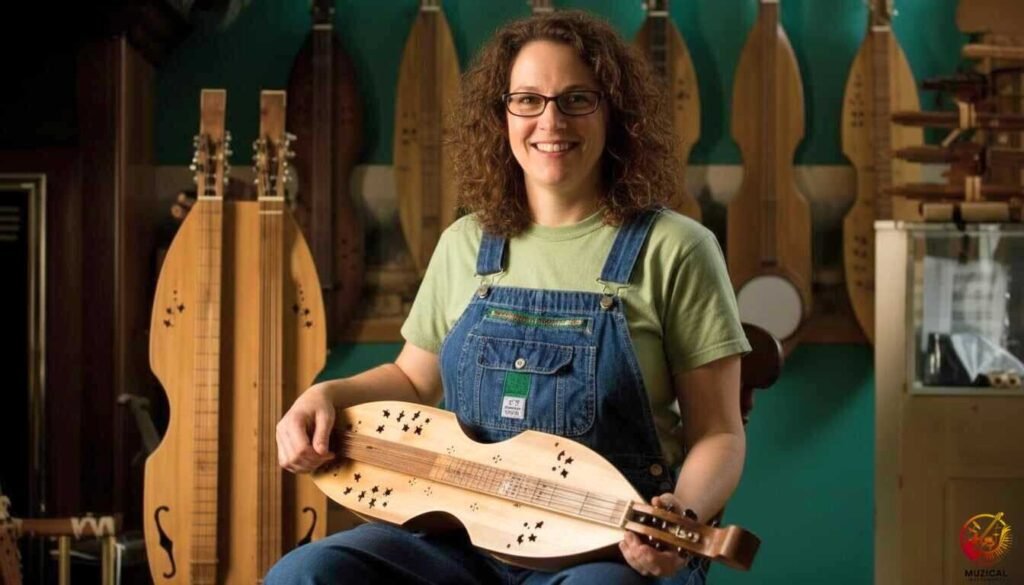
Here is a quick checklist of the most important things to look for when you are shopping.
Vibrating String Length (VSL)
The VSL is the length of the string from the nut to the bridge. This measurement changes how far apart the frets are.
- A shorter VSL (around 25-27 inches) means the frets are closer together. This is often much easier for beginners or players with smaller hands.
- A longer VSL (around 28-29 inches) means frets are farther apart.
For your first dulcimer, a shorter VSL is a great, comfortable choice.
Construction
This is about how the instrument is built. You will see two kinds:
- Laminate: This is made of thin layers of wood pressed together. It’s strong and low cost. Most beginner instruments are all laminate.
- Solid Wood: This means the top, back, or sides are made from a single, solid piece of wood. These instruments have a much richer, fuller sound.
Wood Type
The kind of wood used makes a big difference in the sound.
- Walnut is the classic, traditional sound. It’s warm, soft, and sweet.
- Cherry is also very popular and is a bit brighter than walnut.
- Spruce or Cedar are often used for the top. Spruce is bright and loud, while Cedar is warm and quiet.
We have a full comparison table on this later in the guide.
Fret Configuration
This is a very important one. Mountain dulcimers are diatonic, meaning they are “missing” some frets you would see on a guitar. This is what makes them easy to play.
But there is one “extra” fret you should look for: the 6.5 fret (sometimes written as $6+$).
This extra fret sits between the 6th and 7th frets. It lets you play thousands of modern songs that you can’t play on a “traditional” dulcimer. I always recommend beginners buy an instrument that has the 6.5 fret.
Shape
As we covered, the two main shapes are hourglass and teardrop. The sound difference is small. For a beginner, this choice is 99% about which one you think looks better.
Headstock
The headstock holds the tuners. You will see two types:
- Friction Pegs: These are traditional, tapered wooden pegs, like on a violin. They can be hard to turn and can slip out of tune easily.
- Geared Tuners: These look like guitar tuners. They are machine driven and make tuning simple, exact, and fast.
My advice: As a beginner, always, always choose geared tuners. They will save you a lot of frustration and make playing much more fun.
How to Choose a Mountain Dulcimer

Here is a step-by-step process for buying.
Determine Your Budget
Dulcimers come at all prices. Here’s what to expect.
- Under $100 (Kits & Cardboard): This is mostly for cardboard kits. They are fun projects and do play, but they are not serious long term instruments.
- $100 – $250 (Beginner Laminate): This is for entry level, all laminate instruments. They are fine for testing if you like the instrument, but you might outgrow the sound quickly.
- $250 – $400 (The “Sweet Spot”): This is the best range for a serious beginner. You can find high quality instruments with solid tops and laminate bodies. They are built well, play easily, and sound great.
- $400+ (All Solid Wood / Luthier-Made): Here you find the best instruments. They are made by dedicated makers (luthiers) from all solid woods. Many well known builders are in this range.
Your First Dulcimer: Quick Recommendation
| If Your Budget Is… | The Best Option Is… | Why? |
|---|---|---|
| Under $100 | A Cardboard Kit | A fun, low-cost project to learn the basics. |
| $150 – $250 | A “Beginner” All-Laminate Dulcimer | A good starter instrument to see if you like it. |
| $250 – $400 | A Solid-Top Dulcimer | (Highly Recommended) The “sweet spot.” Great sound that will last you for years. |
| $400+ | An All-Solid-Wood Dulcimer | A “forever” instrument with professional sound. |
Consider Your Size
This relates to the Vibrating String Length (VSL). VSL is the string length from the nut to the bridge. It decides how far apart the frets are.
- A shorter VSL (25-27 inches) means frets are closer. This is often easier for beginners or players with smaller hands.
- A longer VSL (28-29 inches) means frets are farther apart.
A shorter VSL is a great, comfortable choice for your first dulcimer.
Decide on Your Sound Preference
The dulcimer’s sound comes from its wood and construction.
Construction:
This is how the instrument is built. You will see two kinds:
- Laminate: Thin layers of wood pressed together. It’s strong and low cost. Most beginner models are all-laminate.
- Solid Wood: The top, back, or sides are made from a single, solid piece of wood. These have a much richer, fuller sound.
Pro-tip: The best “sweet spot” for a beginner is a solid top with laminate back and sides. This gives you great sound without the high cost.
Wood Type:
Yes! The wood is the biggest factor in the sound. The top (or soundboard) is the most important part.
Common Mountain Dulcimer Woods (And What They Sound Like)
| Wood Type | Used For… | What It Sounds Like |
|---|---|---|
| Spruce | Top (Soundboard) | Bright, loud, and clear. Very popular. |
| Cedar | Top (Soundboard) | Softer, warmer, and more mellow than spruce. |
| Walnut | Back, Sides & Top | The “classic” dulcimer sound. Warm, sweet, and balanced. |
| Cherry | Back & Sides | A bit brighter than walnut. A good all-around choice. |
| Maple | Back & Sides | Very bright and “cuts through” other music. |
| Laminate | Whole Body | Less “rich” sounding. Good for budget/travel. |
Choose The Right Features
Look for these three key features:
- Fret configuration: This is very important. Dulcimers are diatonic, “missing” some frets you’d see on a guitar. Look for one “extra” fret: the 6.5 fret (or $6+$). This lets you play thousands of modern songs. I always recommend beginners get an instrument with the 6.5 fret.
- Shape: The two main shapes are hourglass and teardrop. The sound difference is small. For a beginner, this is 99% about which one you think looks best.
- Headstock: This holds the tuners. You’ll see two types: friction pegs (traditional) and geared tuners (modern, like a guitar). My advice: Beginners should always choose geared tuners. They make tuning simple, exact, and fast.
Play Before You Buy
If you can, try the dulcimer before you buy it. Each one feels different, even between models of the same brand.
Play a few scales or strum open strings. Listen for:
- Even tone across all strings
- Smooth fretwork
- Comfortable neck height
- Solid tuning stability
A good dulcimer should feel natural in your lap, not stiff or buzzy.
Check For Quality
The most common mistake is buying the cheapest dulcimer. This often backfires.
Super-cheap instruments are not fun to play. The action (string height) is often too high, making it painful to press the strings. The tuners slip, so it won’t stay in tune. The sound is also thin.
The person thinks, “I’m bad at this,” and they quit. But it wasn’t their fault! It was the instrument’s.
You don’t need to spend a fortune. But investing in a decent instrument from the “sweet spot” ($250-$400) makes learning much easier and more fun.
What Accessories Do You Need to Buy
Your instrument will need a few extras. Don’t forget to budget for these!
- A Case (or Gig Bag): You must have this. A soft gig bag is fine for local travel. A hard case is better if you travel a lot.
- An Electronic Tuner: A clip-on tuner is cheap and essential. You must tune the dulcimer every time you play.
- Picks (Plectrums): Get a few different thicknesses of guitar picks. A thin or medium pick is a good place to start.
- A “Noter” (Optional): If you want to play the traditional way, you need a noter. You can buy one or use a 3/8″ wooden dowel.
- An Instruction Book: A beginner’s book will help you learn your first songs.
- A Strap (Optional): This lets you play while standing up.
What Is the Best Mountain Dulcimer for Beginners?
When you’re new, look for three things: comfort, stability, and easy tuning.
Here are some trusted brands and builders:
- McSpadden Dulcimers (Arkansas): Known for consistency and craftsmanship.
- Folkcraft Instruments (Indiana): Offers custom builds and beginner models.
- Sweet Music Dulcimers (Tennessee): Affordable, warm tone.
- Apple Creek Dulcimers: Great budget-friendly beginner option.
- Roosebeck Dulcimers: Popular among students and hobbyists.
If you want the best value, many players recommend the Apple Creek ACD100 or Folkcraft Basic Series as a first purchase.
Where to Buy a Mountain Dulcimer
You can find dulcimers online, in music shops, or directly from makers.
Top places to shop:
- Folkcraft.com – Custom and ready-made dulcimers.
- McSpaddenDulcimers.com – Renowned for handmade quality.
- Etsy – Independent luthiers selling unique builds.
- eBay – Used or vintage instruments, but inspect carefully.
- Local folk festivals – Great for meeting builders and testing sound.
When buying online, always check:
- Seller reputation
- Return policy
- Tuning setup (DAD is standard)
- Shipping protection
If possible, play before you pay. Feel the neck, test the tone, and make sure the frets are smooth.
Common Beginner Mistakes When Buying a Dulcimer
- Choosing by looks only. Pretty designs don’t always mean good tone.
- Ignoring scale length. If it’s too long, it may hurt your hands.
- Buying the cheapest one available. Cheap builds can sound dull and go out of tune.
- Not checking intonation. A dulcimer that can’t play in tune will frustrate you fast.
- Skipping setup or tuning lessons. Even the best dulcimer sounds bad if not tuned right.
Take your time. Ask sellers questions. Every detail matters when you want an instrument that lasts.
Final Thoughts: Your Guide to a Great Instrument
This Appalachian Mountain Dulcimer buying guide has given you all the tools to find a great partner for your musical journey. Remember the key takeaways. The best Appalachian Mountain Dulcimer for you is one that is built well, easy to play, and makes a sound you love. Look for a 4-string model, and try to get one with a solid wood top if your budget allows.
Now you know how to choose a mountain dulcimer. Go find your instrument and start making music!
FAQ: Appalachian Mountain Dulcimer Buying Guide
1. Is a mountain dulcimer easy to learn?
Yes! The mountain dulcimer is one of the easiest stringed instruments to learn. It is set up to play a simple scale, so it is very hard to hit a “wrong” note. This makes it perfect for people who are new to music.
2. What is the best mountain dulcimer for a beginner?
The best beginner dulcimer is one that is built well and easy to play. Look for one with geared tuners (like a guitar) so it stays in tune. A model with a “solid top” (not laminate) will also give you a much better sound that you will enjoy for years.
3. How much does a good mountain dulcimer cost?
You don’t need to spend a lot. While very cheap ones (under $150) can be hard to play, you can find a high-quality, beginner-friendly dulcimer for around $250 to $400. These are well-made and sound great.
4. What is the difference between a 3-string and a 4-string dulcimer?
A 4-string dulcimer is just a 3-string dulcimer with a doubled melody string. This is the most common setup. The two strings playing the same note give the tune a fuller, shimmering sound. I recommend most beginners start with a 4-string model.
5. What do I need to start playing the dulcimer?
You only need a few things:
The dulcimer itself.
A pick (a plectrum) to strum the strings.
An electronic tuner to keep it in tune.
A case (or gig bag) to keep it safe.
A simple instruction book or video to learn your first songs.