How to Choose Drum Mute Pads: The Ultimate Guide for Quiet Home Practice

Drum mute pads are the easiest way to make your acoustic drum kit quiet enough for home use. You still feel the stick rebound, you still hear the rhythm, but your neighbors won’t.
Picking the right pads can make the difference between a fun, realistic practice and a dull, rubbery one.
In this guide, you’ll learn how to choose drum mute pads that fit your drum type, playing style, and budget. You’ll also see how different materials affect tone and feel, what features to look for, and how to build a quiet drum practice setup that actually sounds natural.
Why Do You Need Drum Mute Pads?
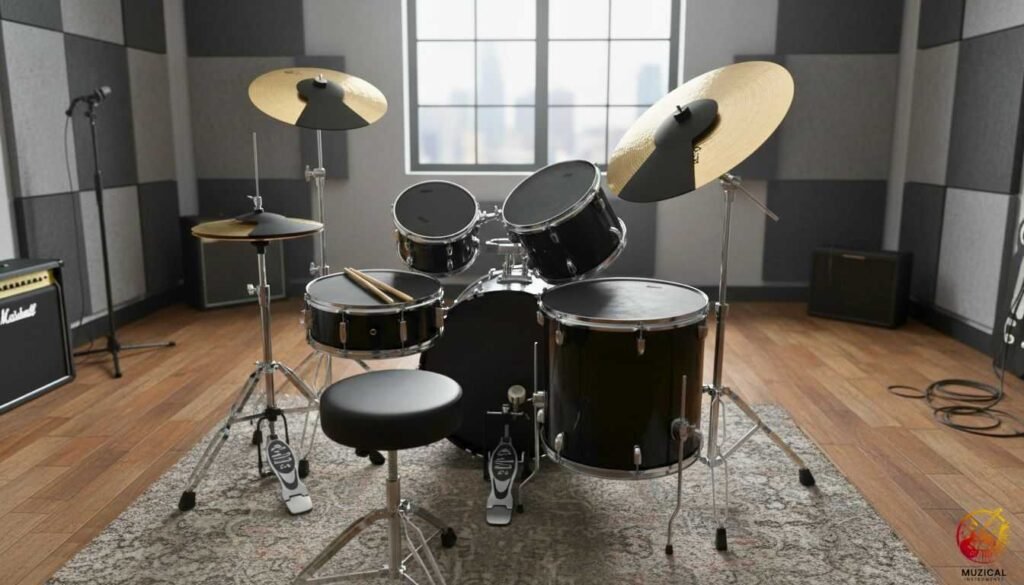
Drums are loud even a light touch on a snare can reach 90 decibels. That’s about as loud as a passing motorcycle. For anyone living in an apartment or sharing space, that’s a problem.
Drum mute pads, also called drum noise reduction pads or volume control pads, help reduce this sound without forcing you to switch to electronic drums.
They do three main things:
- Lower noise so you can practice anytime
- Keep natural rebound so your hands learn real playing feel
- Protect drumheads and sticks from wear during long sessions
With good mute pads, you can practice drums quietly at home without changing your setup.
The Main Types Drum Mute Pads
When you start shopping, you will see a few different options. They all fall under the “drum mute pads” category, but they work in different ways.
Here’s a quick breakdown.
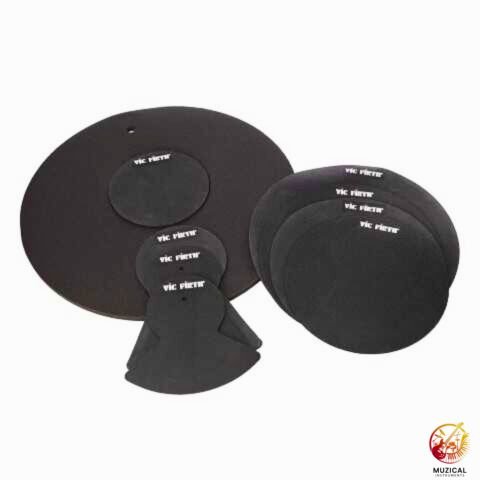
1. On-Head Rubber Mute Pads
This is the most common type. These are thick, circular pads of non-slip rubber.
- How they work: You just lay them on your snare drum, rack toms, and floor tom.
- Pros: Very easy to put on and take off. No tools needed. You can go from silent to loud in 30 seconds.
- Cons: The “feel” can be a little spongy or bouncy. It’s not exactly like a real drum head.
- Best for: Beginners, apartment dwellers, and drummers who need to switch between quiet and-loud often.
2. Mesh Drum Heads
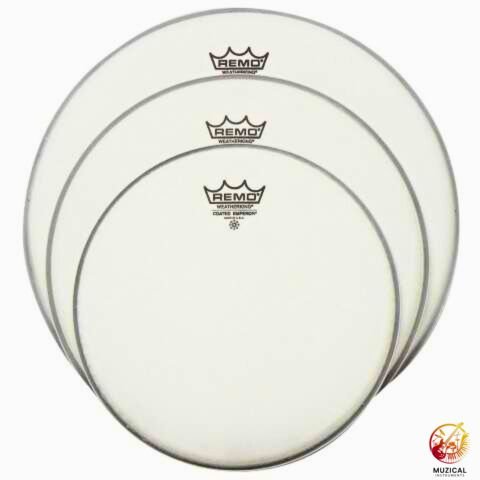
Mesh heads are a full replacement for your regular Mylar drum heads.
- How they work: You use a drum key to take off your normal hoops and heads. Then, you install the mesh heads.
- Pros: The feel (or stick response) is amazing. It feels just like playing a real, tuned drum. They are extremely quiet.
- Cons: Takes time and effort to install. You can’t quickly “go loud.” They also cost more than pads.
- Best for: Drummers who have a dedicated practice kit or who practice for many hours and want the best possible feel.
- Top Brands: Remo Silentstroke is the most popular brand for mesh heads.
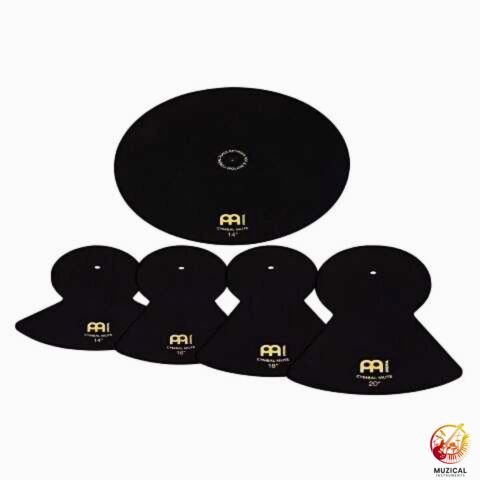
3. Cymbal Mutes
Don’t forget your cymbals! The crash and ride can be louder than the drums.
Cymbal mutes are similar to drum pads. They are shaped rubber pads that cover most of the cymbal’s surface. You get separate mutes for your hi-hats, crash, and ride cymbals.
They do a great job of stopping the “crash” and “ping,” turning it into a soft tap.
4. Bass Drum Mutes
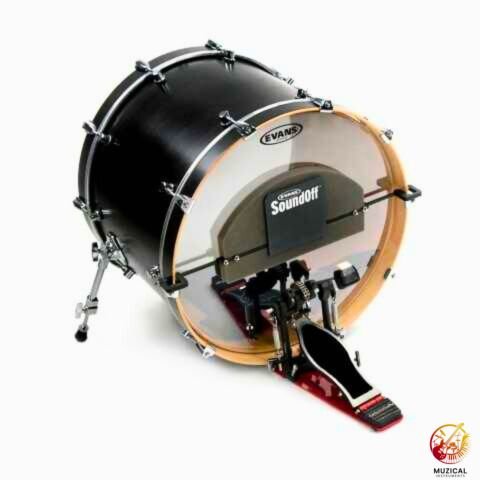
Muting the kick drum (or bass drum) is a bit different. You have two main options:
- A Mute Pad: This is often a curved rubber pad that presses against the batter head (the one your beater hits).
- A Beater Patch: Some sets include a special patch that sticks to the head. It works with a special, soft beater.
- Mesh Head: You can also replace the bass drum head with a mesh head, just like the toms.
A Quick Comparison: Pads vs. Mesh Heads
This is a common question. Both are great, but for different reasons.
| Feature | Rubber Mute Pads (e.g., Evans SoundOff) | Mesh Heads (e.g., Remo Silentstroke) |
|---|---|---|
| Noise Reduction | High (80–90% quiet) | Very High (90%+ quiet) |
| Feel (Rebound) | Good, but can feel “bouncy” or “dead” | Excellent, feels like a real drum |
| Installation | Super easy. Just lay them on top. | Requires a drum key and time. |
| Cost | Less expensive | More expensive |
| Best For… | Quick, easy, portable practice | The most realistic practice feel |
How to Choose Drum Mute Pads for Home Practice
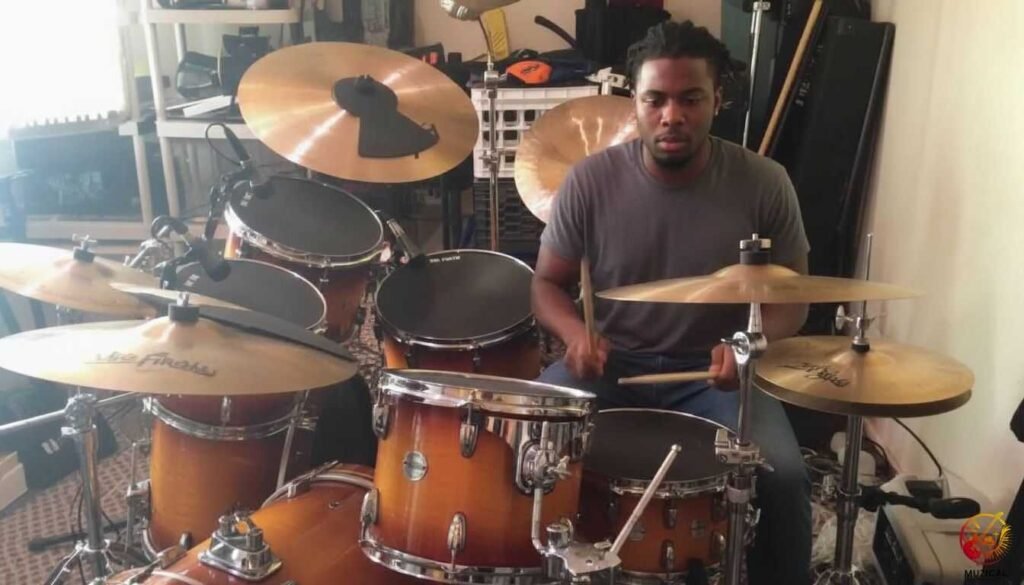
When you choose drum mute pads, think about how you want to balance sound reduction, feel, and price. Here’s what to check.
1. Fit and Compatibility
Each drum size needs the right pad diameter. If it’s too small, it moves around; too big, and it kills the tone.
- Standard kits: 12″, 13″, 14″, 16″ toms, 14″ snare, 22″ bass
- Jazz kits: usually smaller (10″ or 12″ toms, 18″ bass)
Buy a full mute pad set if your kit uses standard sizes. Brands like Vic Firth and Evans sell sets that match most 5-piece kits.
2. Level of Noise Reduction
Not all pads are equally quiet.
- Foam or mesh pads give 80–90% noise cut.
- Rubber pads offer 60–70%.
- Cymbal mutes can reduce sound by 70%.
If you’re in an apartment, go for a foam-based full set. If you only need to lower sound slightly for late-night practice, rubber pads work fine.
3. Rebound and Feel
You don’t want to lose your stick technique. The pad should mimic the way your drumhead responds.
- Soft foam = less rebound (good for finger control practice).
- Rubber or silicone = higher rebound (closer to real drums).
- Mesh heads = highest bounce, almost like tuned acoustic heads.
If your goal is to keep realistic stick movement, silicone or mesh is best.
4. Setup Type
There are two main setups for silent practice:
- Full mute pad set on an acoustic kit
- Hybrid practice kit with mesh heads and low-volume cymbals
For most drummers, a mute pad set is enough. It’s quick to install and remove. But if you want near-silent play with adjustable feel, consider mesh drumheads like Remo Silentstroke.
5. Drum Type (Acoustic vs. Electric)
Mute pads are mainly for acoustic drums, but some hybrid kits can use them too.
For acoustic kits: use surface pads or clip-on dampeners.
For e-drums: use thin rubber add-ons to further lower pad noise through floors or walls.
Are Drum Mute Pads Good for Beginners?
Yes, and they can make you practice more often.
Beginners often skip practice because they worry about noise. Mute pads remove that excuse.
Also, soft pads make you work harder to get rebound, which improves control and wrist strength. You’ll build clean strokes faster than on a loud kit.
However, don’t practice only on mute pads. Spend some time each week on normal heads to adjust your power and touch.
What Are the Best Drum Mute Pads for Home Practice?
Here are some reliable options often used by drummers:
| Brand / Model | Material | Kit Type | Noise Cut | Feel |
|---|---|---|---|---|
| Evans SoundOff | Silicone | Full kit | High | Realistic |
| Vic Firth Mute Pads | Rubber | Snare, toms, cymbals | Medium | Bouncy |
| Remo Silentstroke | Mesh | Full kit | Very High | Natural |
| RTOM Black Hole | Mesh / Rubber combo | Hybrid | High | Close to real drums |
These brands are known for quality and consistent rebound. For beginners, Evans SoundOff or Vic Firth sets offer great value. For more serious players, Remo Silentstroke heads feel closest to real skins.
How to Set Up a Silent Drum Practice Space
Even with mute pads, sound can travel through floors and walls. Use a few extra tricks for full acoustic drum noise control.
Add Drum Rugs or Mats
A thick rug under your kit stops vibration from transferring to the floor.
Use Isolation Platforms
Put your kit on a small plywood frame with tennis balls or foam under it. This absorbs low-end thumps from the kick drum.
Replace Cymbals with Low-Volume Versions
Brands like Zildjian L80 and Sabian Quiet Tone have holes cut through the metal to lower volume by up to 80%.
Use Practice Sticks
Lighter sticks like Vater Whips or ProMark Hot Rods hit softer and further reduce volume.
Together with good pads, these tricks make a complete silent drum practice setup.
What’s the Difference Between Drum Mute Pads and Drum Muffling Accessories?
They both reduce sound, but they work differently.
- Mute pads sit on top of the drum and stop it from ringing loudly.
- Muffling accessories (like gels, rings, or tape) control sustain and overtones but keep the drum playable on stage.
You’ll often use muffling for performance and mute pads for practice.
If you see terms like “drum tone control rings” or “dampening gels,” those are muffling tools, not full mutes.
Common Mistakes When Choosing Drum Mute Pads
Avoid these beginner traps:
- Buying the wrong size. Measure your drumheads before ordering.
- Using too soft pads. Feels unrealistic and slows your progress.
- Ignoring cymbal mutes. Cymbals are the loudest part of a kit.
- Practicing only on muted kits. You’ll lose dynamic control if you never hear the real drum tone.
Remember, the goal is to reduce sound, not change your playing technique.
Quiet Drum Practice Tips That Actually Work
If you live in a small apartment, here’s how to keep peace with your neighbors:
- Play during the day when noise rules are looser.
- Close doors and use thick curtains to absorb sound reflections.
- Lay foam or carpet under your kit.
- Use drum volume control pads plus low-volume cymbals for the best balance.
- Try electronic triggers on your acoustic drums for hybrid silent play.
With a smart setup, you can drum at midnight without disturbing anyone.
Final Thoughts: Practice Drums Quietly and Confidently
You don’t have to stop playing your acoustic drums to keep the noise down. When you learn how to choose drum mute pads that fit right and feel natural, practice becomes fun and quiet.
Pick pads that match your setup, use a few smart sound tricks, and you’ll have a kit that’s perfect for any space.
In the end, the best drummers aren’t the ones who play the loudest, they’re the ones who practice smart, stay steady, and make every beat count.
FAQ: How to Choose Drum Mute Pads for Home Practice
1. How much noise do drum mute pads really reduce?
A good set of rubber drum mute pads can make your acoustic drums about 80% to 90% quieter. This is a huge difference! They work by stopping the drum head from ringing out. They turn the loud “BOOM” of your tom or snare into a very quiet “thud” or “tap.”
2. What’s the difference between drum mutes and a practice pad?
This is a great question, as they are often confused!
A practice pad is one single, small pad. You use it on your lap or on a stand just to practice your stick movements (like hand technique or rudiments).
Drum mute pads are a full set of pads. You get one for each of your drums and cymbals. You lay them right on top of your real drum kit so you can play the whole set quietly.
3. Do drum mute pads damage your drum heads?
No, not at all. Quality mute pads are made from a soft, non-slip rubber. They just rest on top of your drum heads. They cannot scratch, rip, or dent your heads. In fact, they actually help protect your drum heads from getting worn out by your sticks.
4. Can I just use towels to mute my drums?
Many beginners try this! You can use towels, but they don’t work very well.
Towels slide around while you play.
They have a “dead” feel. Your stick hits and doesn’t bounce back, which can be bad for learning good technique.
They don’t make the drum as quiet as a real mute pad.
Drum muffling accessories are designed to stay in place and give your stick a much better, more realistic bounce.
5. What is the quietest way to practice drums at home?
For a truly silent drum practice setup, you have two main choices:
Rubber Mute Pads: These are the most popular, cheapest, and easiest solution. They are very quiet and can be taken off in seconds.
Mesh Drum Heads: These replace your normal drum heads. They are the absolute quietest option. They also feel the most like playing a real drum. They are the best choice if you have a drum kit you can use just for practice.