
Buying a Piano Keyboard: A Simple Guide for Beginners

Before you buy a piano keyboard, you need to know three simple things. First, think about how many keys you want to play. Next, decide how much money you can spend. Also, check if the keys are weighted. This means they feel heavier, like a real piano.
For most beginners, a keyboard with 61 or 88 keys works well. Make sure the keys respond to how hard you press them. This helps you play with feeling. A good starter option usually costs between $150 and $500.
This guide helps you feel confident when buying a piano keyboard. It shows you what to check before you spend your money.
What’s the Difference Between a Digital Piano and a Keyboard?
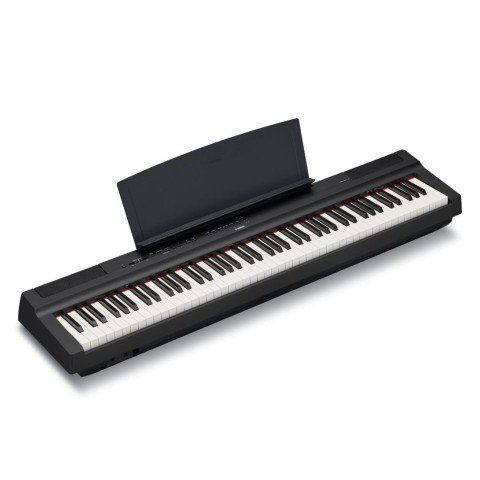
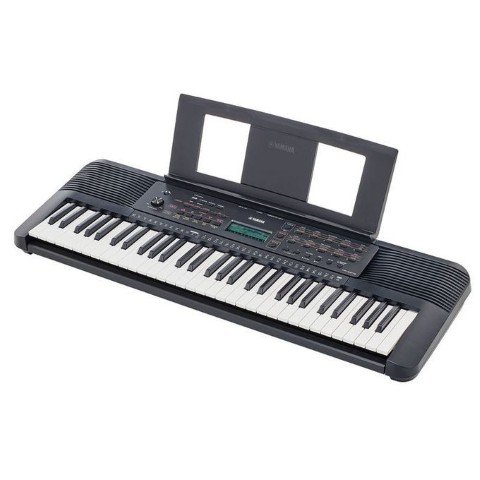
A digital piano is a type of piano keyboard that feels and sounds like a real piano. A keyboard is lighter and made for many music styles.
A digital piano has 88 keys, just like an acoustic piano. The keys feel heavy when you press them. This helps you build proper finger strength. The sound focuses on piano tones that feel deep and real.
A keyboard is more playful and flexible. It usually has 61 or 76 keys. The keys feel light and easy to press. You also get many sounds, like drums, strings, and synths. Keyboards are easy to carry and great for fun music.
Your goal matters most. If you want to learn piano seriously, choose a digital piano. If you want to explore sounds and play many styles, a keyboard is a good start.
Price differs too. Keyboards start cheap. Digital pianos cost more because they feel more real.
Comparison: Keyboard vs. Digital Piano
This table helps you quickly see the key differences between a digital piano and a keyboard, so you can choose the right option based on how you plan to learn and practice.
| Feature | Portable Keyboard | Digital Piano |
|---|---|---|
| Primary Goal | Fun, variety of sounds, portability. | Realistic piano feel and sound. |
| Key Feel | Light, plastic, springy. | Heavy, weighted, resistant. |
| Number of Keys | Usually 61 keys. | Usually 88 keys (Full Size). |
| Best For | Casual fun, producing electronic music, very tight budgets. | Serious learning, building finger strength, piano lessons. |
| Price Range | $100 – $300 | $400 – $1000+ |
This table shows why digital pianos suit serious learning, while keyboards suit flexibility
How Many Keys Does A Beginner Really Need on a Piano Keyboard?
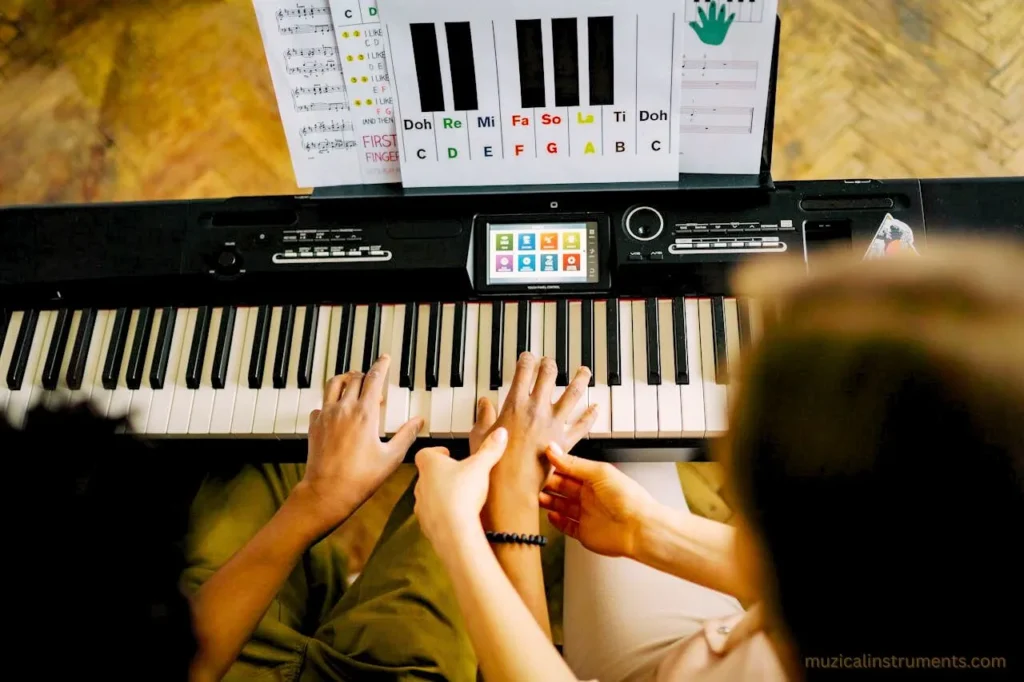
Most beginners can start with 61 keys and learn well. You only need 88 keys if piano is your main goal.
Here is a simple way to choose:
88 keys: This is the full piano size. You can play every song ever written for piano. Choose this if you want serious piano training.
76 keys: A good middle choice. It fits most pop and modern songs. It also saves space at home.
61 keys: Great for beginners. You can learn notes, chords, and hand control. Most beginner songs fit here.
49 keys or less: Too small for real piano learning. You will run out of notes fast.
Space matters too. Bigger keyboards need more room. Always measure before you buy.
What Are Weighted Keys and Do Beginners Need Them?
Weighted keys copy how a real piano feels. Most beginners should choose at least semi-weighted keys.
A real piano uses hammers to hit strings. Low notes feel heavier. High notes feel lighter. Weighted keys copy this feeling. This helps your fingers grow strong and learn control.
There are three common types:
Fully weighted (hammer action): Feels like a real piano. Keys are heavier on low notes. Best for serious piano learning.
Semi-weighted: Adds some weight, but not full hammer action. A good and affordable choice for beginners.
Unweighted: Light and springy. Easy to press, but not good for piano training. Better for beats and sound play.
Touch sensitivity is different. It means soft presses make soft sounds. Hard presses make loud sounds. Every beginner needs this.
Starting with semi-weighted keys makes learning easier later.
What Features Should Beginners Actually Look For?
As a beginner, you only need a few key features to learn well. These features help you play properly and enjoy practice. Extra sounds and flashy tools can wait.
Essential features:
- Touch-sensitive keys (sound changes with how hard you press)
- At least 64-note polyphony (so notes do not cut off)
- Sustain pedal jack (needed for real piano playing)
- Headphone output (for quiet practice)
- Built-in speakers (so you can play without extra gear)
- USB or MIDI connection (to use apps or a computer later)
These features protect you from outgrowing your keyboard too fast.
Helpful but optional:
- Metronome
- Recording feature
- A few extra piano sounds
- Lesson or split keyboard mode
- Transpose button
Polyphony sounds complex, but it is simple. It means how many notes play at once. More is better.
Do not pay extra for built-in lessons. Free videos and apps work better.
How Much Should You Spend on Your First Piano Keyboard?
Most beginners should plan to spend $200 to $400 for a good keyboard. Entry digital pianos usually cost $400 to $700.
Buying too cheap often causes problems. Keyboards under $150 often miss touch-sensitive keys or enough keys. You may outgrow them fast and waste money replacing them.
Here’s a realistic price breakdown:
| Price Range | What You Get | Best For |
|---|---|---|
| $100–$200 | 61 keys, touch sensitivity, basic sounds, lightweight build | Young kids or casual learners testing interest |
| $200–$400 | 61–76 keys, semi-weighted keys, better sound, more polyphony | Committed beginners who want room to grow |
| $400–$700 | 88 weighted keys, digital piano quality, realistic touch | Serious students planning years of learning |
| $700+ | Premium action, advanced features, professional sound | Advanced players or professionals |
Think about extra costs too. Many keyboards need add-ons:
- Sustain pedal: $15–$40
- Stand: $30–$100
- Bench or chair: $40–$150
- Headphones (optional): $30–$100
Some beginner bundles include these items. This can save you money.
Stick with trusted brands. Yamaha, Casio, Roland, and Korg make reliable beginner models. They last longer and are easier to resell later.
Should You Buy New or Used Piano Keyboards?
You can buy new or used, but new is often safer for beginners. Used saves money, but new gives you a warranty and peace of mind.
Used keyboards can cost 30–50% less. But repairs can be expensive if something breaks. Many new keyboards under $400 cost only a little more than used.
Before buying used, always check:
- Press every key more than once
- Test all sounds and buttons
- Look for cracks or loose parts
- Make sure the power adapter works
- Ask the keyboard’s age and reason for selling
- Check the new price online
Red flags when buying used:
- You cannot test it
- Keys feel sticky or dead
- Power adapter is missing
- Price feels too cheap
- Seller gives no details
New keyboards come with support. Used ones do not.
What Mistakes Do Beginners Make When Buying Piano Keyboards?
Beginners often pick the wrong keyboard because they focus on price or features instead of basics. This can make learning harder and less fun. Choosing the right keyboard from the start saves time and frustration.
Mistake 1: Choosing unweighted keys
Unweighted keys feel light, but they don’t teach proper technique. Your fingers won’t build strength. Later, moving to a real piano feels very hard.
Mistake 2: Buying fewer than 61 keys
A 49-key keyboard works at first. Soon, you run out of notes and have to shift octaves constantly. It’s frustrating.
Mistake 3: Skipping the sustain pedal jack
The sustain pedal is essential for piano music. Keyboards without a pedal jack make songs sound choppy.
Mistake 4: Ignoring polyphony
Low polyphony (like 32 notes) causes notes to cut off when you hold the pedal. Beginners should aim for at least 64-note polyphony.
Mistake 5: Buying based on features instead of fundamentals
A keyboard with hundreds of sounds sounds exciting. But if the keys feel bad or the piano sound is weak, those extra features don’t matter.
Mistake 6: Not testing before buying
Keyboards feel different in real life. If possible, try models in a music store. The feel matters most.
Mistake 7: Forgetting about accessories
You need a stand, sustain pedal, and headphones. Budget for the full setup to avoid surprises.
Which Piano Keyboard Brands Are Most Reliable for Beginners?
For beginners, the most reliable piano keyboard brands are Yamaha and Casio. They offer good build quality, sound, and support. Roland and Korg are also solid, but usually cost more. Avoid unknown brands with unclear model numbers.
Yamaha
Yamaha is well-known and trusted. Their keyboards and digital pianos last for years. Customer support is easy to find, and resale value is high. Popular beginner models:
- PSR-E373: 61 keys, $250-$300
- P-45: 88 keys, $450-$500
- P-125: Upgraded 88 keys, $600-$650
Casio
Casio is slightly cheaper but still reliable. Key feel and sound are good. Popular beginner models:
- CT-S300: 61 keys, $180-$220
- Privia PX-160: 88 keys, $400-$450
- CDP-S110: 88 keys, $450-$500
Roland and Korg
Roland keyboards cost more but offer premium sound and realistic key action. Korg is mid-range, good quality, but less common. Both brands are fine if budget allows.
Brands to Avoid
Stay away from generic Amazon brands, very cheap keyboards, or products with vague specs. Established brands make learning easier and more fun.
Final Thoughts: Buying a Piano Keyboard
Buying a piano keyboard is about balance. Match your budget with how serious you are about learning. Choose a key count that fits your space and goals.
Always pick touch-sensitive keys. Make sure it supports a sustain pedal. Good note handling matters more than extra sounds.
Measure your space first. Set a budget that includes a stand and headphones. If you can, try keyboards in person. Focus on how the keys feel in your hands.
Your first keyboard doesn’t have to be perfect, it just needs to get you playing and learning today.
FAQ: Buying a Piano Keyboard
1. Is 61 keys enough to learn piano?
Yes, 61 keys are enough for your first year or two. You can play most pop songs and simple lessons on them. However, if you want to play classical music or get serious about lessons, you will eventually need the full 88 keys.
2. How much should a beginner spend on a keyboard?
For a decent start, expect to spend between $150 and $300. This gets you a keyboard with good sound and touch sensitivity. If you want a digital piano with weighted keys that feels real, the price usually starts around $450.
3. Do I really need weighted keys?
If your goal is to play a real piano one day, yes. Weighted keys build your finger strength and muscle memory. If you only use light, plastic keys, a real piano will feel very heavy and difficult to play later on.
4. Do digital pianos need to be tuned?
No! This is one of the best parts of owning a digital keyboard. Since the sounds are recorded from a computer chip, they never go out of tune. You save money and time because you never have to call a piano tuner.
5. Can I use headphones with a keyboard?
Yes, almost every beginner keyboard has a headphone jack. This is perfect for practicing in an apartment or at night without bothering your family or neighbors. Just check if you need a small plug (like a phone) or a big plug adapter.
