What Is a Spinet Piano? A Simple Guide for Beginners

A spinet piano is the smallest type of upright piano ever made. It became popular in homes that needed a short, compact instrument. You see these pianos in older houses, school music rooms, and small apartments.
Many players first learned music on a spinet because it fit where other pianos could not.
If you are starting your piano journey or just need a compact instrument, understanding the spinet is a great first step.
What Exactly Is a Spinet Piano? (And Why Was It Invented?)
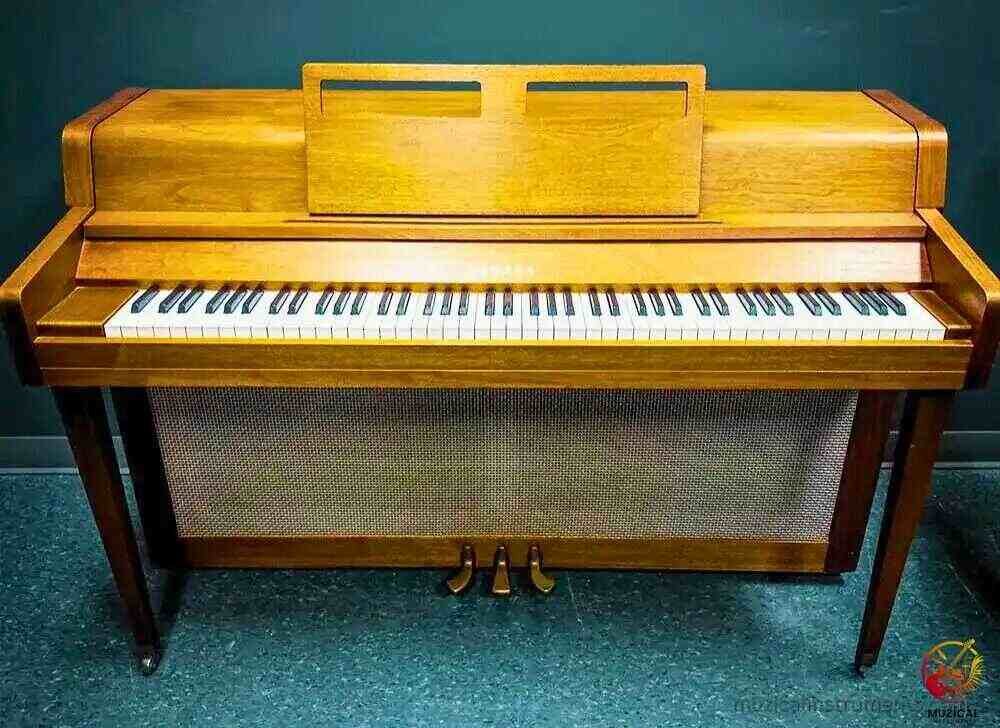
Let’s start with a simple definition. A spinet is an acoustic piano that stands about 36 to 38 inches (91–97 cm) tall. It is the shortest member of the vertical piano family, which also includes the console and the full upright.
Think of it like this: piano makers needed a way to put a full-sized keyboard into the smallest cabinet possible. In the 1930s and 1940s, homes were often getting smaller, and there was a huge demand for a space saving musical instrument.
The spinet was the clever answer. It took up less space and cost less money than the larger upright or grand piano. It became the ultimate short piano for small spaces.
When you look at a spinet, you’ll see a design that is often very beautiful. They have a slim, attractive cabinet that was made to blend in with household furniture. This spinet piano design made them a very popular piece of furniture in many living rooms across America.
The Key Feature: The Drop Action
To make the spinet so short, piano builders had to change the internal mechanics. This is the most important thing to know about the spinet piano features.
In bigger upright pianos, the hammers and keys are lined up directly above the keys. This is called direct blow action.
In the spinet, however, the working parts (the action) are lowered below the keyboard. This is known as a drop action or a spinet action.
- The Action: The piano action is the complex system of levers, hammers, and dampers that translates your finger pressing a key into a hammer hitting the strings.
- The Drop: Because the action is “dropped,” the hammers are farther away from the strings.
- The Wires: This required the use of small, thin metal rods or wires, called stickers, to connect the key to the rest of the mechanism.
This drop action is the main difference between a spinet and all other vertical pianos. It is also the source of some of the piano’s good points and some of its problems.
Spinet Piano Size: How Does It Compare to Other Uprights?
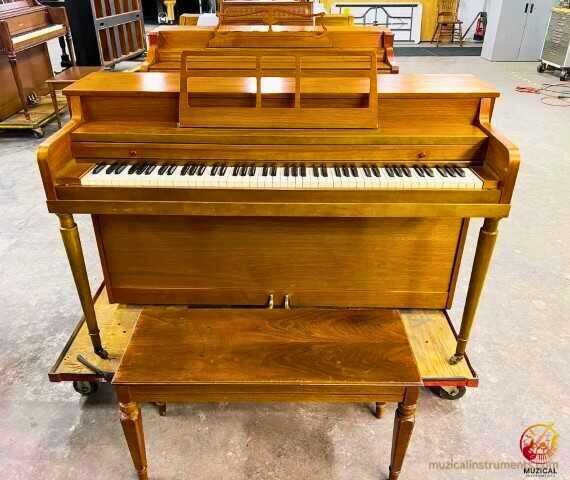
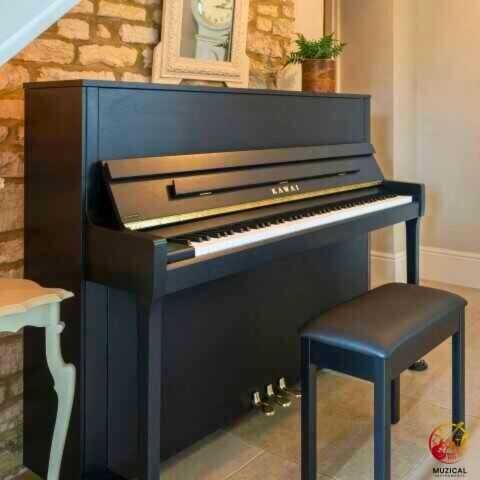
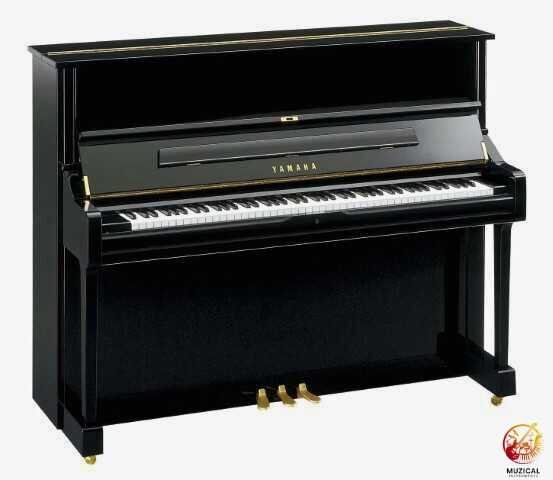
When people talk about small upright piano models, they are usually talking about the spinet or the console piano. Knowing the measurements is key, especially if you have a small apartment or a dedicated music practice room.
Let’s look at the average heights of the four main types of vertical pianos:
| Piano Type | Height Range (Inches) | Height Range (cm) | Key Characteristic |
|---|---|---|---|
| Spinet Piano | 36″ to 38″ | 91 to 97 | Smallest size; uses drop action. |
| Console Piano | 40″ to 44″ | 102 to 112 | A bit taller; uses direct action. |
| Studio Piano | 45″ to 52″ | 114 to 132 | Used in schools and studios; powerful sound. |
| Full Upright | 52″ and up | 132 and up | Tallest, oldest design; strongest sound. |
You can clearly see why the spinet piano size makes it perfect for spaces where a larger instrument simply won’t fit. If you’re looking for the smallest possible cabinet piano, this is it!
Spinet Piano vs Upright: What’s the Real Difference for a Beginner?
This is one of the most common questions beginners ask: is a spinet a good starter instrument, or should I go bigger? The simplest answer is that a spinet is a type of upright piano, but it’s the shortest one. When most people say “upright,” they mean a console or studio model.
Let’s look at the key differences between a spinet piano vs upright (meaning a console or studio piano):
1. The Action (The Inner Workings)
- Spinet: Has the drop action with the long stickers. This makes repair and maintenance more complicated.
- Larger Uprights (Console/Studio): Have the direct blow action. This mechanism is simpler, more reliable, and generally lasts longer without needing major spinet piano repair.
2. The Sound Quality
- Spinet: Because the strings are shorter and the soundboard is smaller, the spinet piano sound is generally thinner and less rich than a console. It’s often described as a pleasant, but not very powerful, voice. It works fine for quiet practice.
- Larger Uprights: They have longer strings and larger soundboards. This gives them a deeper, louder, and more resonant tone. The bass notes, especially, sound much better.
3. The Touch and Feel
- Spinet: Many players find the drop action makes the keys feel a bit less responsive or sluggish. The touch (the feel of the key when you press it) is often lighter. This is a common spinet piano problem.
- Larger Uprights: The direct action allows for a more consistent and predictable feel, which is better for developing proper playing technique, especially for intermediate players.
So, if space is your absolute top concern, the spinet is a great compromise. If your main goal is developing the best technique and hearing the richest sound, you should look for a console or studio model.
Console vs Spinet Piano: The Comparison You Need
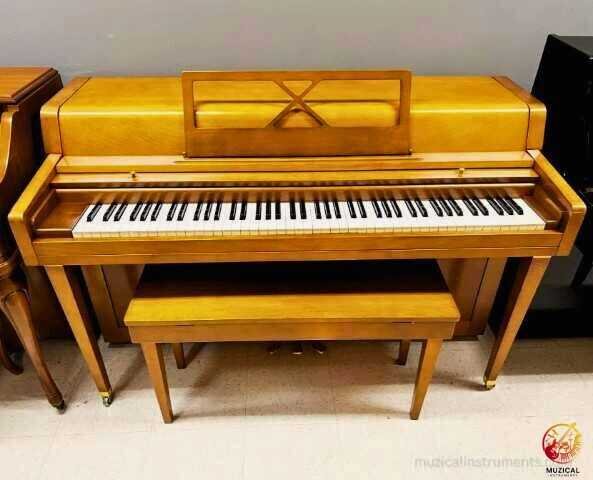
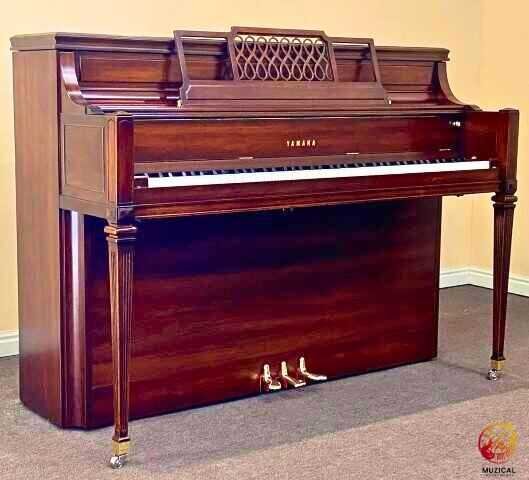
The console vs spinet piano comparison is vital for anyone buying a used instrument. The console is the next size up, standing about 40–44 inches tall. It is sometimes hard to tell the difference just by looking at the cabinet.
Here is a simple trick a piano technician taught me to spot the difference:
- Look at the Music Rack: If the entire top lid (where the music rack sits) must be lifted back to get to the tuning pins, it’s most likely a console.
- Look at the Knee Panel: On a spinet, you can often see a wooden panel right under the keys (the knee panel) that is easy to remove. Removing it lets you see the drop action and the stickers.
| Feature | Spinet Piano | Console Piano |
|---|---|---|
| Height | 36″–38″ (Shortest) | 40″–44″ (Medium) |
| Action | Drop Action (Indirect) | Direct Action (Standard) |
| Sound | Lighter, thinner tone | Richer, more resonant tone |
| Maintenance | More complex to repair | Simpler and easier to service |
| Cost (Used) | Typically lower | Typically higher |
A console piano is often considered the best choice for a beginner friendly piano if the budget allows. It offers a much better action for a growing player while still being fairly compact.
Spinet Piano Cost and Value: How Much Should I Pay?
The question of spinet piano cost and spinet piano value is tricky because it depends heavily on age and condition. Almost all spinets were made between the 1930s and 1970s. Piano makers stopped making them around the 1990s because the console piano became more popular and people preferred its sound and simpler action.
The Real Cost of a Used Spinet
For a beginner or someone who just wants a piece of furniture, a used spinet piano guide has a few key points:
- Free or Almost Free ($0–$200): Many old spinets are given away just to get them out of a house. This means the piano is likely over 50 years old and needs major work, like new strings, new hammers, or a complete action rebuilding. Be careful: Moving a free piano can cost $300–$500, and repairs can cost thousands.
- Working Condition ($500–$1,500): A decent quality spinet from a good brand (like a Baldwin or Wurlitzer spinet) that has been recently tuned and cared for might be in this range. This is the sweet spot for a casual player.
- Restored/Vintage ($2,000+): These are rare. They are usually instruments with a famous name or an especially beautiful cabinet that has had the entire action restored.
A Critical Observation: The financial value of a spinet is usually very low. When you hear the phrase, “It’s worth more as furniture than as an instrument,” this often applies to the spinet piano. The high cost of repairing the complex drop action often exceeds the final value of the piano. Always have a qualified piano tuner inspect any used piano before you buy it.
Spinet Piano Maintenance, Problems, and Repair
Because of the unique drop action, spinet piano maintenance and spinet piano repair can be challenging. This is the main spinet piano problem you need to know about.
Common Spinet Piano Issues
- Sluggish Keys: The stickers (the rods connecting the key to the action) can become bent or worn out, causing the keys to feel heavy or slow to return after being played. This is often called drop action fatigue.
- Difficult Regulation: The action needs to be finely adjusted (called regulation) so all the keys feel and sound the same. Because the spinet action is so compact and deep inside the cabinet, it takes a technician longer to regulate it.
- Worn Hammers/Dampers: Like any old piano, the felt on the hammers gets hard, making the sound harsh. The dampers (which stop the strings from vibrating) can also fail, leading to notes that keep ringing (sostenuto effect where you don’t want it).
Professional Insight: When you call a piano technician, be sure to tell them you have a spinet. They often have to charge a slightly higher rate for the service call because the work takes longer. The small space makes it awkward, and they may have to lie on their back to reach certain parts!
Best Spinet Piano Brands
While most spinets are older, a few brands are known for making higher quality ones. If you are looking at buying a used spinet, these names are worth looking for:
Even with these best spinet piano brands, the condition is what truly matters most. A well-maintained $500 Kimball is a much better deal than a neglected $1,500 Baldwin.
Is a Spinet Piano Right for You? A Buyer’s Checklist
Now that you understand the mechanics, the sound, and the cost, how do you decide if a spinet piano is the right fit for your musical journey?
Here is a simple checklist for the beginner friendly piano search:
| Scenario | Recommendation | Why? |
|---|---|---|
| You need the absolute smallest piano. | ✅ Go for the Spinet. | It’s the shortest cabinet piano available. |
| You live in an apartment and must be quiet. | ✅ Go for the Spinet. | The spinet piano sound is naturally quieter and less disruptive. |
| You are a brand-new beginner (under 1 year of lessons). | ✅ Go for the Spinet. | It’s cheap to buy and learn the basics. |
| You are an intermediate player or higher. | ❌ Look for a Console or Studio. | The better action will support your growing technique. |
| You want a piano to keep for 10+ years. | ❌ Look for a Console or Studio. | They are more durable and have fewer long-term spinet piano problems. |
| You are a student preparing for college auditions. | ❌ Look for a Grand or Studio. | The spinet’s action and sound quality are not sufficient for advanced work. |
Why Did Companies Stop Making Spinet Pianos?
Piano companies stopped producing spinets by the early 1990s for a few simple reasons.
- Mechanical Complexity: The main reason was the unique drop action (or spinet action). This mechanism was intricate and less reliable than the standard direct blow action.
- Costly Repairs: The complex spinet action made spinet piano repair challenging and time-consuming for piano technicians, driving up the cost of ownership over time.
- Inferior Sound: Due to shorter strings and a smaller soundboard, the spinet piano sound was generally weaker and thinner compared to the next-size-up console model.
- Better Alternatives Emerged:
- Console Pianos: Manufacturers began building slightly taller console pianos that still fit in small spaces but used the superior, simpler direct blow action, offering better sound quality.
- Digital Pianos: The rise of digital pianos provided an even more compact, tune-free alternative for a short piano for small spaces, ultimately making the spinet design obsolete.
- Market Demand Shift: Customer preference moved toward instruments with better performance and simpler maintenance, causing the spinet to be phased out by the early 1990s.
Summary and Takeaway
The spinet piano is the smallest type of upright piano, identifiable by its 36″–38″ height and its unique internal drop action.
This design makes it a superb short piano for small spaces but also means it has a lighter sound and can be more complex to repair than a larger console piano.
While most spinets are older and have a low market value, a well-maintained one can be a wonderful and affordable beginner friendly piano.
Before you buy, always budget for an inspection by a professional piano technician.
FAQ: What Is a Spinet Piano?
1. Is a spinet piano suitable for beginners?
A spinet piano can be a starting point due to its affordability and compact size. However, its unique “drop action” mechanism may offer a different touch and responsiveness compared to larger pianos, potentially affecting the learning experience for beginners.
2. What is the “drop action” in a spinet piano?
The “drop action” refers to the indirect mechanism where keys connect to the hammers via rods, allowing for a more compact design. This setup, while space-saving, can make maintenance more challenging and may impact the piano’s touch sensitivity.
3. How does a spinet piano’s sound compare to other pianos?
Spinet pianos typically produce a softer, less resonant sound due to their shorter strings and smaller soundboards. This makes them suitable for small spaces but may not provide the rich tones found in larger upright or grand pianos.
4. Are spinet pianos still manufactured today?
No, spinet pianos are no longer in production. They were most popular from the 1930s to the 1990s. Today, they are primarily available through second hand markets.
5. What should I consider when buying a used spinet piano?
When considering a used spinet piano:
Condition: Check for any signs of wear or damage.
Brand: Some brands, like Baldwin Acrosonic, are known for better quality.
Maintenance History: Ensure the piano has been regularly maintained.
Professional Inspection: Have a piano technician assess the instrument before purchase.
6. How does a spinet piano differ from a console or upright piano?
While all are vertical pianos, spinets are the smallest, featuring the drop action mechanism. Consoles are slightly taller with direct action, offering better touch and sound quality. Upright pianos are the largest, providing the richest sound and most responsive touch.