
New vs Used Accordion for Kids: Which One Is Better?

The new vs used accordion for kids choice is really about risk. Used accordions can cost less, but hidden problems are common. Repairs can cost more than you expect. A new one gives peace of mind.
Buying used only makes sense from a trusted seller with a guarantee. A checked and refurbished accordion can be a smart option.
A new accordion is often the safest start for beginners. It works right away and does not need repairs. This is why many parents choose new at first.
In this guide, you will learn the real pros and cons of each option. You will see how to avoid bad deals and protect your child’s first music experience.
What Are The Main Differences Between New And Used Accordions?
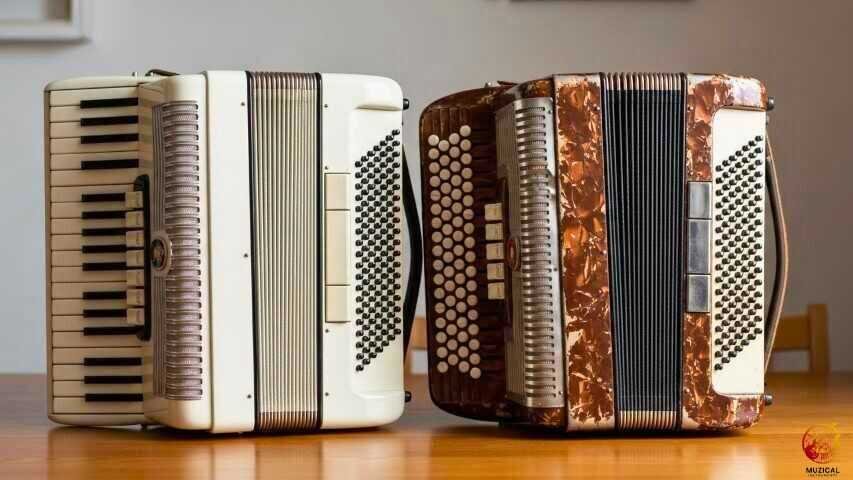
When you compare a fresh instrument to a vintage one, you aren’t just comparing prices. You are comparing the technology, the weight, and the maintenance history.
Older accordions from the 1950s or 60s are often built like tanks. They have solid wood and heavy metal parts. This makes them sound rich, but they are heavy for a child’s small shoulders. New accordions often use modern materials that are lighter and more airtight, which makes them easier for small hands to pull and push.
Here is a quick breakdown to help you see the trade-offs at a glance:
Comparison: New vs. Used Accordion Features
| Feature | New Accordion | Used Accordion |
|---|---|---|
| Tuning | Perfect (A = 440Hz standard) | Often drifts; may need professional tuning ($$) |
| Bellows Health | Airtight and stiff (needs break-in) | Soft and flexible, but risk of leaks |
| Weight | Lighter (modern alloys/plastics) | Heavier (solid wood/steel) |
| Smell | Fresh factory smell | Risk of musty/moldy “basement” smell |
| Warranty | Yes (usually 1–2 years) | None (sold “as is”) |
| Resale Value | Drops initially (like a new car) | Stable (if kept in good condition) |
Why Should I Buy a New Accordion for My Child?

If you are not a mechanic, you probably wouldn’t buy a car that needs engine work. The same logic applies here. The biggest advantage of a new vs used accordion for kids is peace of mind.
1. No Hidden Repair Costs
Accordions have thousands of parts inside. In a new instrument, the beeswax that holds the reeds is fresh, and the leather valves are flat and snappy. You won’t have to worry about a reed falling off inside the instrument two weeks after you buy it.
2. Modern Tuning Standards
Most modern music schools and bands tune to “A=440 Hz.” New accordions come tuned this way. Many older accordions were tuned slightly higher (A=442 or A=444) for a brighter sound. If your child tries to play along with a piano or a school band using an old instrument, they might sound out of tune even if they play the right notes.
3. Child-Friendly Weight
A heavy instrument is the number one reason kids quit. Modern student models, like the Hohner Bravo or small Weltmeister series, are designed to be lightweight. They reduce the strain on your child’s back, allowing them to practice longer without getting tired.
When Is a Used Accordion a Good Choice?
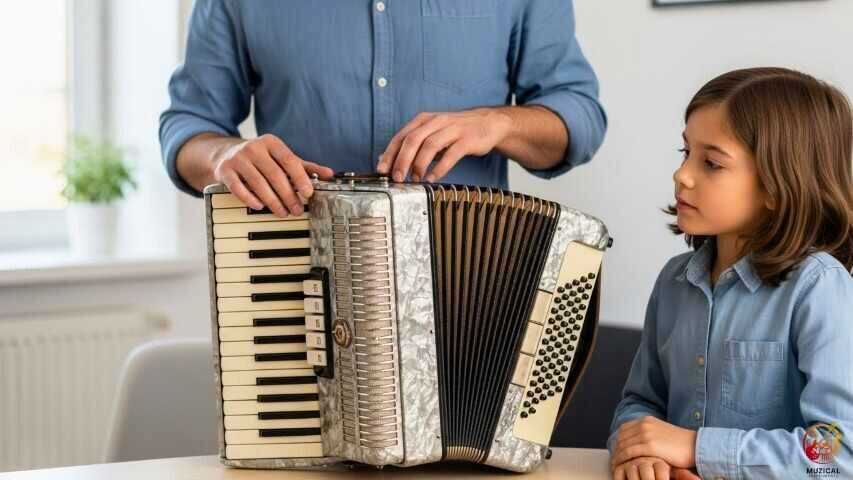
Buying used isn’t always bad. In fact, if you find a well cared for gem, it can be an amazing value. A used accordion allows you to get a professional level sound for a fraction of the price.
1. You Are on a Strict Budget
If you are unsure if your child will stick with the instrument, spending $600+ is scary. You can often find a playable used 12-bass or 48-bass accordion for $150 to $300. This is a low-risk way to test the waters.
2. You Have Access to a Repair Tech
If you know an accordion repair person, buying used is much safer. They can inspect the bellows health and check the wax for you. If you buy from a reputable music shop that refurbishes instruments, you get the best of both worlds: a lower price and a guarantee that it works.
Pro Tip: Avoid buying used accordions from antique shops or flea markets. These instruments often sit in damp basements for decades, leading to mold and rust that ruins the reeds.
What Size Accordion Should I Get for My Child?
Before you decide on the condition, you must get the size right. If the accordion is too big, your child won’t be able to see the keys or control the bellows.
Accordion size is measured by the number of bass buttons (the buttons on the left side). Never buy a “full size” (120 bass) accordion for a young child. It will be massive and unplayable.
Accordion Sizing Guide for Kids
| Child’s Age | Approximate Height | Recommended Size | Weight (Approx.) |
|---|---|---|---|
| 3–5 Years | Under 3’6″ | 8 to 12 Bass | 3–5 lbs |
| 5–8 Years | 3’6″ – 4’0″ | 12 to 24 Bass | 8–10 lbs |
| 7–12 Years | 4’0″ – 4’8″ | 48 Bass | 11–14 lbs |
| Teen / Adult | 5’0″+ | 72 to 96 Bass | 16–20 lbs |
Note: The 48 bass is often called the “sweet spot.” It is small enough for a 7-year-old but has enough notes to play real songs for several years.
What Should I Check When Buying a Used Accordion?
If you decide to hunt for a deal, you need to know how to spot a lemon. When evaluating a new vs used accordion for kids, use this checklist to inspect a used instrument.
1. The “Sniff Test”
Smell the instrument and the case. If it smells like mildew, mold, or a damp basement, walk away. Mold can grow inside the bellows and on the wooden reed blocks. It is dangerous for your child to breathe this in while pumping the bellows, and the smell is almost impossible to remove.
2. Check the Bellows Compression
Hold the accordion by the straps and let the keyboard side hang down (don’t press any keys). The bellows should stay mostly closed. If they slide open quickly on their own, there is a bellows leak. Leaky bellows make it hard for a child to produce sound because they have to pump furiously just to get air moving.
3. Test Every Key and Button
Press every single piano key and bass button. They should go down smoothly and pop back up instantly. If a key sticks or stays down, it might mean the keyboard mechanism is bent or dirty.
4. Listen for “Wheezing”
Pull the bellows in and out without pressing any keys. You should hear silence. If you hear a hissing sound or a low groan, air is escaping where it shouldn’t.
How Much Should I Budget for a Kids’ Accordion?
Plan your total budget including accessories and potential repairs. Here are realistic numbers.
Budget Option ($200-600)
Used accordion from local seller: $200-400 Inspection by repair shop: $50-100 Minor repairs if needed: $0-300 Case and straps (if not included): $50-100 Total: $300-900
This works if you find a good used instrument locally and can test it before buying.
Safe Middle Option ($600-1,200)
Refurbished vintage from accordion dealer: $500-800 Warranty included: $0 Case and straps included: $0 Tuner app or tuning if needed: $0-100 Total: $600-1,000
This is the sweet spot for most families. You get quality without overpaying.
New Student Instrument ($800-1,800)
New entry-level accordion: $500-850 Or mid-range European model: $1,100-1,500 Included warranty: $0 Included case and straps: $0 Total: $800-1,800
Choose this if you want zero repair worries and the latest manufacturing.
Cost Comparison Table
| Option | Initial Cost | Likely Repairs | Total First Year | Pros | Cons |
|---|---|---|---|---|---|
| Cheap new toy | $50–150 | None (not worth fixing) | $50–150 | Safe purchase, no surprises | Not a real instrument, must upgrade soon |
| Unknown used | $100–300 | $200–800 | $300–1,100 | Low initial cost | High risk, unknown problems |
| Dealer refurbished | $500–800 | $0–100 | $500–900 | Tested quality, warranty | Limited selection |
| New entry-level | $500–850 | $0 | $500–850 | Warranty, consistent | Beginner quality only |
| New mid-range | $1,100–1,500 | $0 | $1,100–1,500 | Best quality, long-lasting | Higher investment |
Remember hidden costs. Lessons cost $30-60 per hour. Method books run $20-40. Your child needs a music stand ($20-50) and possibly a shoulder strap upgrade ($30-80).
Which Brands Are Best for Beginners?
Whether you buy new or used, sticking to known brands makes a huge difference. These brands have readily available parts and hold their value well.
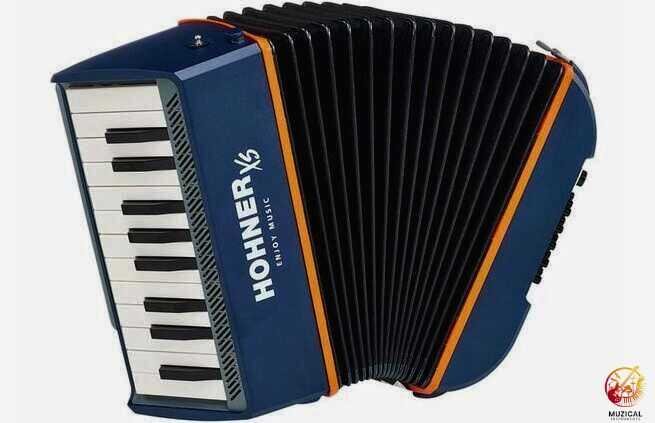
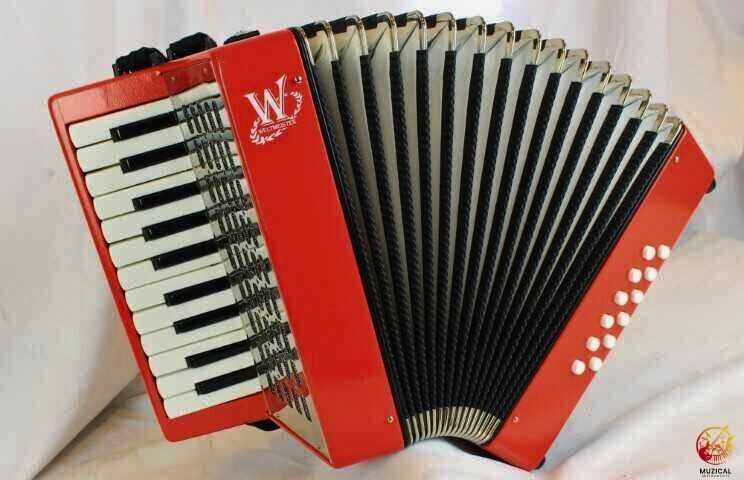
- Hohner: This is the most common brand for student accordions. The Hohner XS or Hohner Bravo series are excellent new choices. Older German-made Hohners are also workhorses if they have been maintained.
- Weltmeister: A German brand known for high quality. Their student models are durable and sound great.
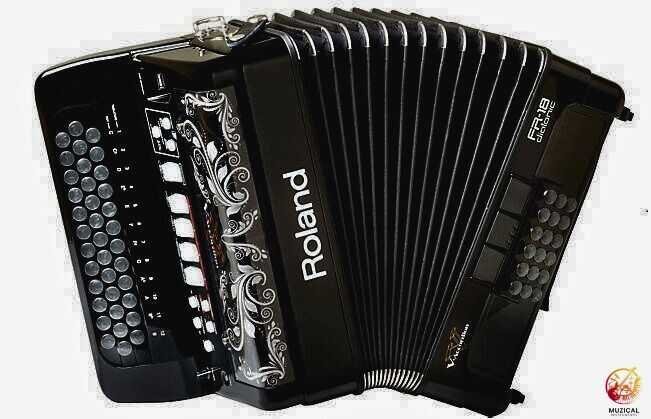
- Roland: They make digital accordions (V-Accordions). These are fantastic because they never need tuning and have headphone jacks for silent practice. However, they are expensive.
- Eastar / D’Luca: These are often budget Chinese brands. They are okay for very young kids (toddlers) to make noise with, but they don’t have the durability or sound quality of the European brands.
Final Thoughts
Choosing between a new vs used accordion for kids doesn’t have to be a headache. If you have the budget, a new accordion (like a Hohner Bravo or a 48-bass student model) is the safest bet. It saves you from maintenance nightmares and ensures your child learns on an instrument that is in tune and airtight.
If you choose to go for a used one, look for a “Refurbished” model from a music store rather than a dusty find from a garage sale. Focus on bellows health and proper sizing (usually 12 or 48 bass) to ensure your child has a positive experience.
FAQ: New vs used accordion for kids.
1. Is the accordion hard for a child to learn?
It is actually quite friendly for beginners! The right hand plays keys just like a piano, which is easy to understand. The left hand pushes buttons to make chords, so your child can sound like a full band very quickly. With a little practice, most kids can play a simple song within their first few weeks.
2. How much does a beginner accordion cost?
This depends on if you buy new or used. A decent used accordion for a beginner usually costs between $200 and $400. A brand new accordion (like a student model) often starts around $600 to $800. Be careful with anything cheaper than $150, as it might be a “toy” that doesn’t play real music.
3. What is the best age to start playing accordion?
Most teachers suggest starting around age 6 or 7. At this age, a child is usually big enough to hold a small 12-bass or 48-bass accordion. If your child is younger (like 4 or 5), they can still start, but they will need a very small, lightweight instrument made specifically for toddlers.
4. How many bass buttons should a beginner accordion have?
For most kids between ages 6 and 10, a 48-bass accordion is the perfect size. It is small enough to hold but has enough notes to play many different songs. A 12-bass accordion is lighter, but kids often outgrow it quickly because it has very few notes.
5. Can a child learn to play accordion without a teacher?
It is possible, but a teacher is highly recommended for the first year. The accordion requires multitasking, pulling the bellows, playing keys, and pushing buttons all at once. A teacher helps your child sit correctly so the instrument doesn’t feel too heavy or hurt their back.


