Why Bluegrass Players Prefer Bronze Strings

Bluegrass players prefer bronze strings because the music needs strong volume, sharp attack, and clear note separation. This style moves fast, and each note must cut through banjos, fiddles, and guitars. Bronze strings help you get that bright mandolin string tone that bluegrass is known for.
In this guide, you will learn why bluegrass players prefer bronze strings, how they shape your sound, and how to choose the best strings for bluegrass mandolin.
You will also see how bronze compares with phosphor bronze, and how different materials change your tone, feel, and projection.
Why Do Bronze Strings Give You The Classic Bluegrass Mandolin Sound?
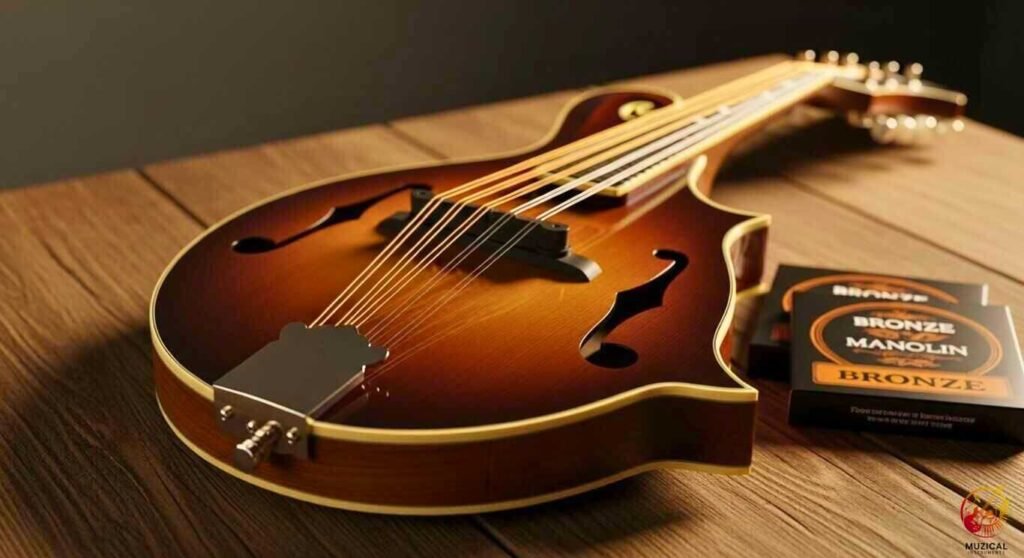
Bluegrass comes from strong lead lines, fast picking, and tight rhythm chops. You need strings that respond fast and stay loud in a busy mix. Bronze strings offer three things that match this style:
- Very bright tone
- Quick response
- High projection and punch
You hear this sound in the playing of Bill Monroe, Sam Bush, Ricky Skaggs, and many festival jam circles around the U.S. The tone sits forward in the mix. It does not hide behind guitars or upright bass. It pushes through.
Bronze strings do this because the strings use a copper-tin alloy wrapped around a steel core. The most common type is 80/20 bronze, which means 80% copper and 20% tin. This specific blend creates a sound that bluegrass players love.
The copper gives brightness. The tin adds durability. Together, they produce a tone that projects well in live settings.
What Makes Bronze Strings Good For Bluegrass Compared To Phosphor Bronze?
Many players compare bronze vs phosphor bronze strings because both are common on acoustic instruments. But the tone is not the same.
Here is a simple table that helps you see the difference:
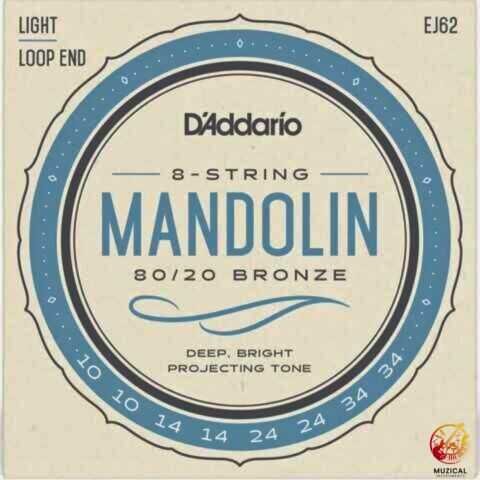
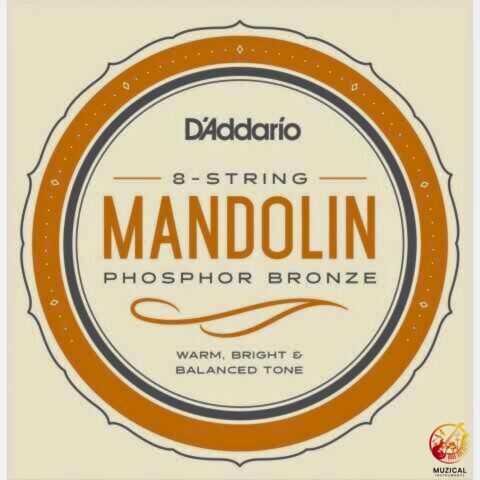
Bronze vs Phosphor Bronze: Tone and Feel
| Feature | Bronze Strings | Phosphor Bronze Strings |
|---|---|---|
| Tone | Bright, sharp, forward | Warm, smooth, balanced |
| Best Use | Fast bluegrass, cutting leads | Folk, country, mellow styles |
| Attack | Strong and quick | Softer and rounder |
| Projection | High | Medium |
| Lifespan | Shorter | Longer |
| Common Choice For Mandolin | Traditional bluegrass | Warm or modern tone seekers |
You use bronze strings when you want loud, cutting sound. Phosphor bronze gives you warmth and longer life, but it may feel too soft for sharp bluegrass picking.
If you try to play Monroe-style licks with phosphor bronze, the tone may feel too mellow. Your notes may not leap out. That is why bronze mandolin strings for traditional bluegrass remain the top pick.
How Do Bronze Strings Affect Volume And Projection In Bluegrass Music?
Volume and projection aren’t the same thing, though people often confuse them. Volume is simply how loud the instrument is. Projection is how well that sound carries across distance and through other instruments.
Bronze strings excel at projection. The bright frequencies travel better through air and penetrate through other sounds. This is why outdoor bluegrass festivals favor bronze strings.
The science behind this is straightforward. Higher frequencies have shorter wavelengths. They don’t get absorbed as easily by environmental factors. When you’re playing outside, bass frequencies disappear quickly. But the bright attack of bronze strings keeps your mandolin audible even at the back of the crowd.
Here’s what affects projection with bronze strings:
- The initial attack when pick hits string
- The sustain and decay of each note
- The harmonic overtones that bronze produces
- The way bronze responds to aggressive picking
Many players notice they don’t have to work as hard physically when using bronze strings. The strings do some of the work for you. This reduces hand fatigue during long jam sessions or performances.
Why Do Bluegrass Players Choose Bright Tone Over Warm Tone?

Bluegrass tone depends on clarity. Every instrument plays many notes in a short time. If your tone is too warm, the notes blend into each other. Warm vs bright mandolin strings create very different results:
- Warm tone = cozy but blurry in a mix
- Bright tone = sharp and clear for fast solos
When you play tremolo, slides, double stops, and chops, brightness lets each sound stand alone. You hear this clearly in Monroe-style downstrokes. The power comes from the attack, not the sustain. Bronze strings support that sound by pushing the highs forward.
If you love old-time or Celtic music, warm tone works well. But true bluegrass tone is bright, dry, and punchy.
What String Materials Work Best For Bluegrass Mandolin?
Mandolin string materials have a big impact on tone. Here is a quick guide that keeps things simple:
Mandolin String Materials Explained
| Material | Tone | Use Case |
|---|---|---|
| 80/20 Bronze | Very bright, sharp | Pure bluegrass chop and lead tone |
| Phosphor Bronze | Warm, smooth | Folk, modern acoustic styles |
| Nickel | Dry, focused | Old-time or vintage-style tone |
| Steel | Clear, stiff | Very loud playing |
| Coated Bronze | Bright but smoother | Players who want longer life |
When players ask “what are the best strings for bluegrass mandolin?” The answer usually stays the same: 80/20 bronze for the brightest cut, or coated bronze for players who want the tone without fast tarnish.
Coated bronze gives you similar sparkle but lasts longer because the metal reacts less to sweat and moisture.
How Do Bronze Strings Change Your Feel When Playing Bluegrass?
Feel matters because bluegrass demands:
- Downstrokes
- Crosspicking
- Fast hammer-ons
- Precise pull-offs
- Hard chop rhythm
Bronze strings feel firm and clear under your pick. When you strike them, the feedback is instant. You do not get the soft “give” that warm strings have. This helps you stay steady during fast passages. The response is predictable, and you can control your attack better.
If your playing style is heavy, bronze strings help you stay consistent without sounding muddy. If your style is light, bronze gives you more tone with less effort.
What Mistakes Do Beginners Make When Choosing Bluegrass Strings?
When new players pick strings for the first time, they often make these mistakes:
1. Choosing Strings That Are Too Light
Light strings feel easy but lack punch. You lose volume and chop strength. Bluegrass needs medium or heavy gauges for that tight, dry chop.
2. Using Warm Strings For A Bright Style
Phosphor bronze can be too warm. Your sound may get lost in a group.
3. Changing Strings Too Late
Old bronze strings lose brightness fast. Bluegrass tone depends on freshness.
4. Picking With A Thin Pick
Even the best strings sound weak with a thin, bendy pick. You want a thicker pick to shape the sound.
5. Ignoring Setup
Low action can cause buzzing. High action makes fast picking tiring. A clean setup is part of good tone.
These mistakes are common, and many new players think their mandolin is the problem, not the strings. Often the fix is simple: choose the right string type for the style.
How Do Bronze Strings Shape Your Chop Chords In Bluegrass?
The chop chord is the heartbeat of bluegrass. You mute the strings right after the strike. This creates a short, percussive sound. Bronze strings support this by giving you:
- Sharp front attack
- Fast decay
- Crisp high end snap
Phosphor bronze linger too long. The sound rings a bit more, which softens the chop. For true bluegrass rhythm, you want a tight, clipped sound. Bronze gives you that dry punch.
When you listen to Monroe, you hear that “crack” in each chop. Bronze helps you create that crack without extra effort.
How Does Bronze Improve Note Clarity In Bluegrass Solos?
Bluegrass solos are busy. You play triplets, fast runs, and double stops. Bronze strings help each note cut cleanly. They do this by boosting the frequencies that our ears pick up easily in a group setting.
This gives you:
- Clean tremolo for sustained lines
- Sharp clarity when playing double stops
- Crisp slides and bends
- Clear harmonics for melodic backup
When you play with a banjo, your notes need to stand beside the banjo’s loud brightness. Bronze strings are one of the few materials that can do this.
Are Bronze Strings Good For Traditional Bluegrass Tone?
Yes. Traditional bluegrass tone is bright, dry, and forward. Bronze strings create this exact sound. Many older recordings from mandolin players in Kentucky, Tennessee, and North Carolina show this tone. The metal blend matches the punch of early bluegrass music.
Bronze mandolin strings for traditional bluegrass give you:
- Authentic old-school tone
- Loud projection in acoustic settings
- Strong chop
- Fast attack for Monroe-style picking
If you want modern flavor, you can blend bronze with coated options. But for traditional tone, nothing beats plain bronze.
How Do You Choose Strings For Bluegrass If You Are A Beginner?
Here is a simple plan you can follow:
- Start with medium or medium-heavy gauge bronze strings: This gives you balance between comfort and power.
- Listen for the attack: If the sound feels too mellow, switch to fresher bronze or a heavier gauge.
- Try coated bronze if your sweat kills strings fast: They cost more but last longer.
- Keep a spare set: Bluegrass festivals can be dusty and humid. Strings break more often.
- Compare tone after each change: Your ear will learn the difference over time.
This approach helps you grow your sound instead of guessing.
What Setup Tips Help You Get The Best Bluegrass String Sound?
String choice is half the story. Setup completes the sound. Here are simple bluegrass string setup tips:
- Keep your action high enough for a clear chop rhythm.
- Use a heavier pick (1.4 mm or more).
- Check the nut slots so strings do not bind.
- Make sure your bridge is placed correctly.
- Keep your frets smooth to avoid buzzing.
- Replace strings when brightness fades.
Good setup makes bronze strings shine. Poor setup makes any string sound dull.
The Final Verdict: Why Bluegrass Players Prefer Bronze Strings
So, why bluegrass players prefer bronze strings (the 80/20 kind) is simple: they need brightness and volume.
These strings give you the crisp, sharp, and punchy acoustic string tone for bluegrass that lets a mandolin be heard over a loud banjo and fiddle. They are the sound of traditional bluegrass.
While many pros use phosphor bronze on the road for its longer life, 80/20 bronze is still the king when you want that raw, high energy, cutting sound.
The best way to find the best strings for bluegrass mandolin for you is to try both. Put on a set of 80/20 bronze and play them for a week. Then, switch to phosphor bronze. You will hear the difference immediately.
FAQ: Why Bluegrass Players Prefer Bronze Strings
1. Are 80/20 bronze or phosphor bronze strings better for bluegrass?
80/20 bronze strings are better for the traditional bluegrass sound. They are much brighter and have a “zingy” sound that helps you cut through the band. Phosphor bronze strings are a bit warmer and don’t sound as sharp, but they last a lot longer.
2. What string gauge (thickness) is best for bluegrass?
Almost all bluegrass players use medium or heavy gauge strings. On a mandolin, this is usually a set with a .011 gauge E-string (like D’Addario J74s). You need the extra thickness to get a loud, powerful sound and a strong “chop” chord. Light strings sound too thin for bluegrass.
3. Why do 80/20 bronze strings sound so bright?
They get their bright, crisp sound from the metal they are made of. The wrap wire is an alloy (a mix of metals) that is 80% copper and 20% zinc. That 20% zinc is what gives the string its sharp, “zingy” tone, but it’s also why they tarnish and sound “dead” so quickly.
4. How often should you change your strings for bluegrass?
You should change them as soon as they sound dull or “dead.” For 80/20 bronze strings, this can be very fast, sometimes after just a few days of hard playing. Phosphor bronze strings can last a few weeks. You lose your bright tone when your strings get old, which is very bad for bluegrass.
5. What strings do professional bluegrass players use?
Many pros use phosphor bronze strings (like D’Addario J74) when they are on tour. This is a practical choice because phosphor bronze strings last longer. However, when they go into a studio to make a record, many will put on a brand-new set of 80/20 bronze strings to get that perfect, extra-bright sound.