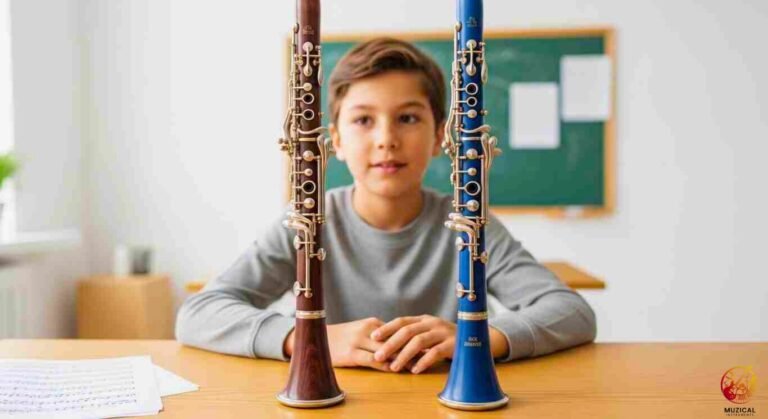
Best Clarinet Mouthpieces for Beginners

Affiliate Disclosure
This post may contain affiliate links. If you buy through them, I may earn a small commission at no extra cost to you. This helps support the site and keeps our content free for you.
If you prefer not to use affiliate links, you can search products directly on the maker’s site.
Most beginners think they are bad at playing when the real problem is their mouthpiece. The mouthpiece that comes in a standard clarinet box is often made of cheap plastic. These “stock” mouthpieces are hard to blow through and make a squeaky, thin sound. This makes you want to quit before you even start.
A good beginner clarinet mouthpiece makes the instrument feel easy to play. It helps you hit notes clearly without using too much air. This guide will help you find the best clarinet mouthpieces for beginners that match your skill level and your budget.
Quick Comparison: Best Clarinet Mouthpieces for Beginners
| Mouthpiece | Image | Best For | Top Feature | Main Drawback | Price |
|---|---|---|---|---|---|
| Yamaha 4C |
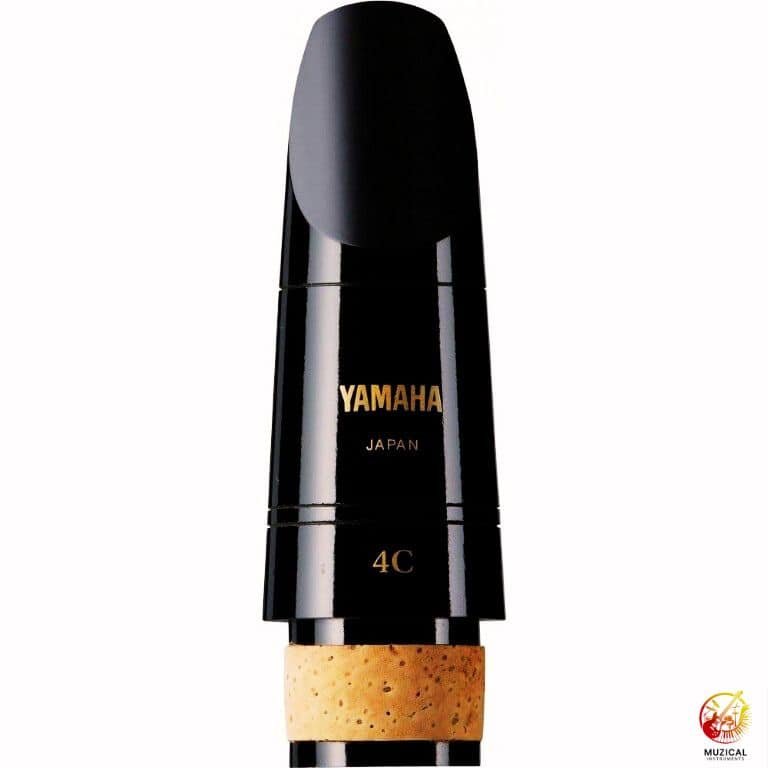
| Absolute Beginners & School Rentals | Instant response with very little air pressure | Can sound thin or buzzy as players advance | Price |
| Clark Fobes Debut |
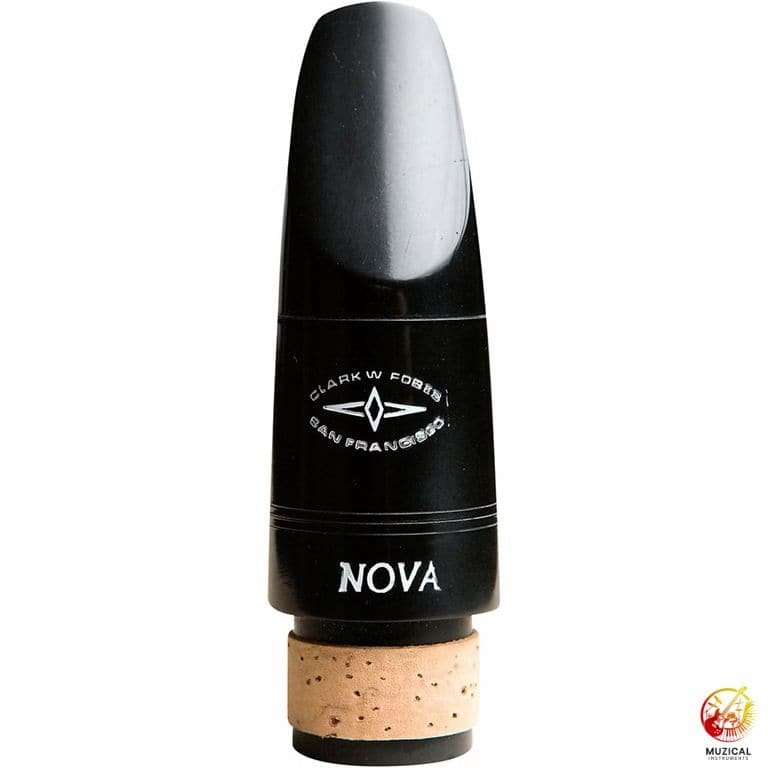
| Budget-Conscious Students | Hand-finished facing improves intonation | Acrylic material is brittle if dropped | Price |
| Hite Premiere |
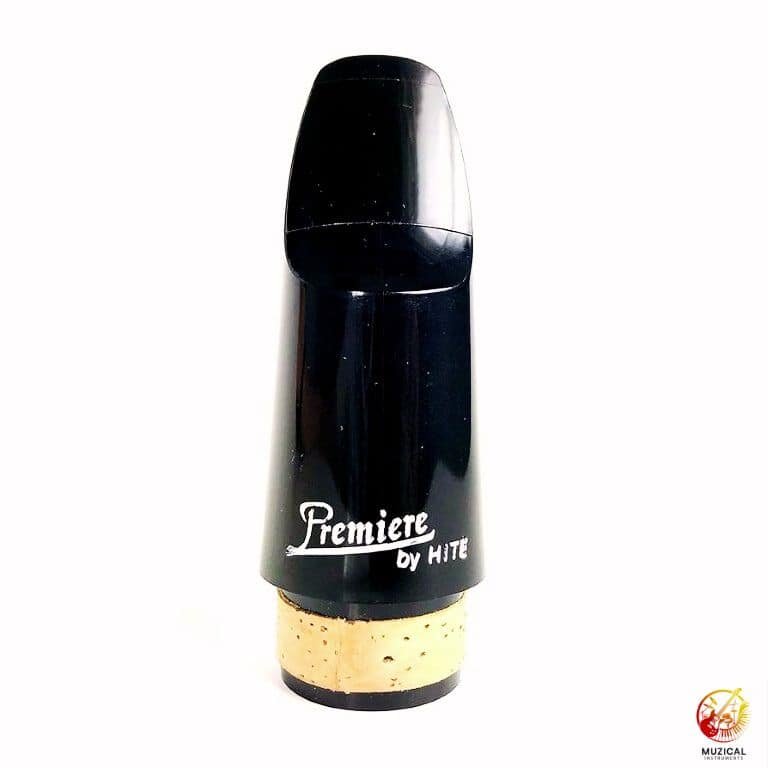
| Marching Band & Quiet Players | Large bore boosts volume and projection | Needs strong air support to avoid flat pitch | Price |
| Vandoren 5RV |
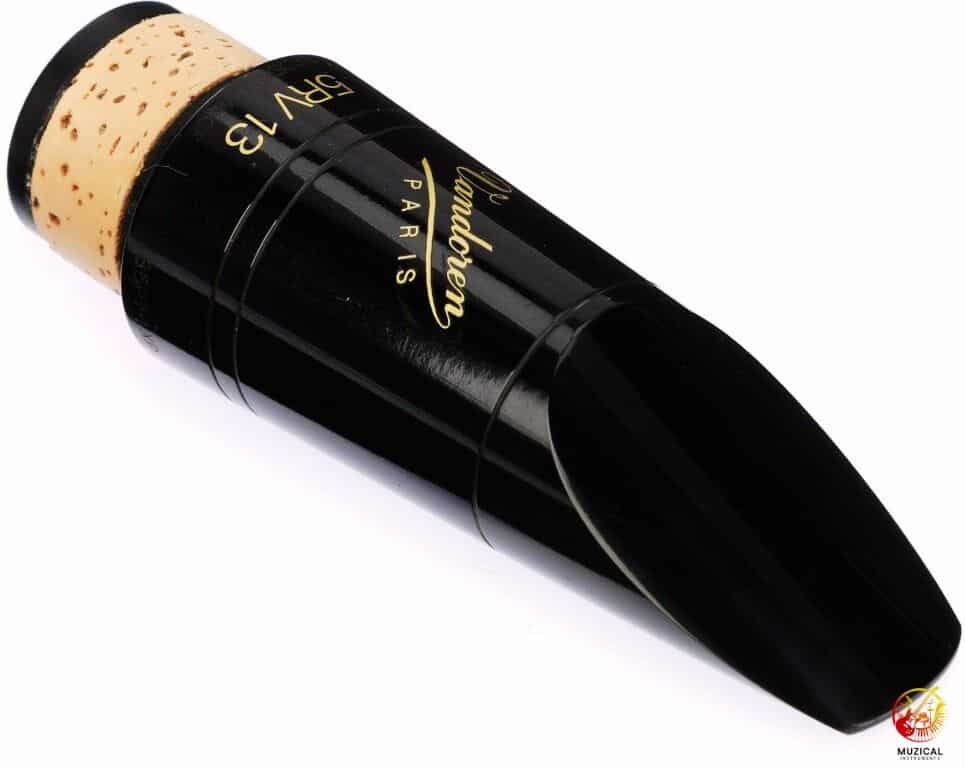
| Serious Classical Students | Higher resistance allows precise articulation | Requires harder reeds (3.0+) to play well | Price |
| Vandoren B45 |
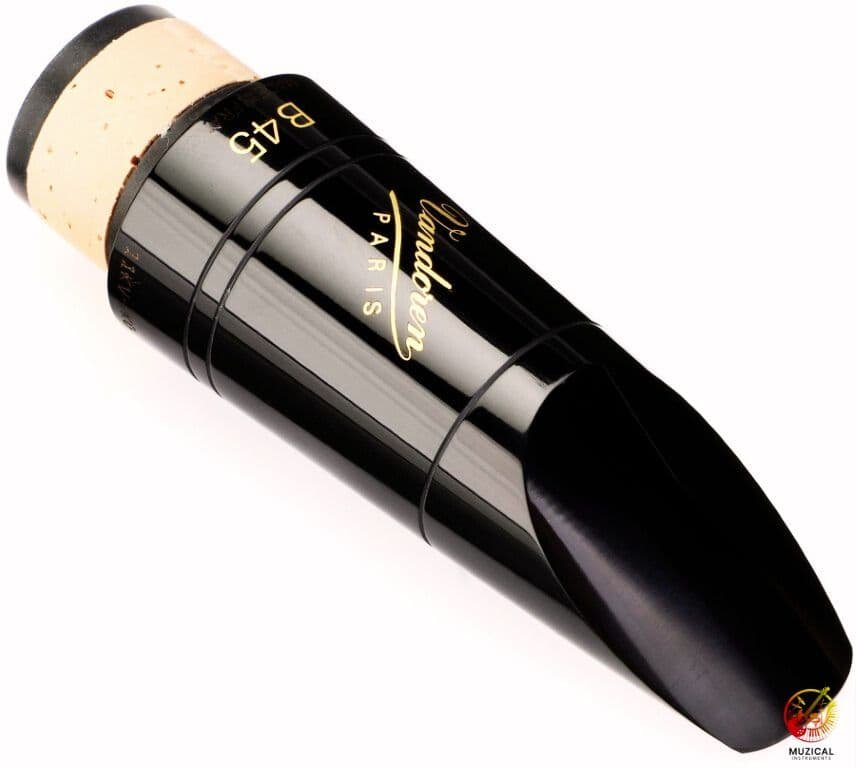
| Adults & Saxophone Doublers | Wide dynamic range for flexible styles | Physically demanding and air-hungry | Price |
What Makes a Beginner Clarinet Mouthpiece Worth Buying?
A worthy beginner clarinet mouthpiece makes your instrument feel easier to play and helps you sound better instantly. It should allow you to start notes without struggle while keeping your pitch steady across the whole clarinet.
You don’t need the most expensive gear, but you do need these four things:
- Easy Response: This means the note starts the second you blow. You should not have to huff and puff to get a sound.
- The Tip Opening: This is the gap between the reed and the mouthpiece. Beginners need a small or medium gap. If it is too wide, your face muscles will get tired in minutes.
- Pitch Stability: Cheap mouthpieces play out of tune. A good one helps you stay in tune across high and low notes.
- Material Quality: Most student models are high-grade plastic or hard rubber. Hard rubber lasts longer and sounds warmer, but good plastic is fine for starting out.
1. Yamaha 4C
Verdict: The “Safety Net” for Day One Beginners
Quick Specs:
- Material: Phenol Resin (High-grade Plastic).
- Tip Opening: 1.05mm (Medium-Close).
- Facing Length: 19mm (Medium).
- Best For: First-year students, School Rental Instruments.
The “Instant Response” Factor
The Yamaha 4C is the industry standard because it removes the variable of “resistance” almost entirely. It is scientifically designed to vibrate with very little air pressure.
- What this feels like: When a student blows into it for the first time, there is no “push back.” The sound starts immediately, even with weak breath support.
- The Payoff: This builds immediate confidence. A student doesn’t have to fight the gear to make a sound, which drastically reduces the quit rate in the first 3 months of band.
Experience Marker: The “Upgrade Plateau”
Because the 4C is so easy to play, it eventually becomes a crutch.
- The Issue: Around the 2-year mark, we often hear students sound “thin” or “buzzy” in the upper register (clarion).
- The Symptom: No matter how much the student practices, their tone doesn’t get darker or richer.
- The Diagnosis: The mouthpiece is “capping” their progress. The plastic material cannot support the complex vibrations needed for a mature tone.
- The Fix: Use this strictly for the beginner phase. Once the student can play a full chromatic scale comfortably, move them to a hard rubber mouthpiece (like the Vandoren 5RV).
The “Fake 4C” Warning
Because this is the most popular student mouthpiece in the world, counterfeits are rampant on Amazon and eBay.
- The Risk: Counterfeit 4Cs often have uneven rails (the side edges), causing unpredictable squeaks that no amount of practice can fix.
- Advice: Only buy the Yamaha 4C in the official Yamaha box from a reputable music retailer, never loose in a plastic bag.
Buy this if: You are renting an instrument or buying for a complete beginner who has never played a note.
Avoid this if: The student has been playing for more than 2 years or is trying to fix a “thin/bright” tone.
2. Clark Fobes Debut
Verdict: The “Private Lesson” Secret Weapon
Quick Specs:
- Material: Acrylic (Hand-finished).
- Tip Opening: .039″ (1.00mm) (Close).
- Facing Length: Medium-Long.
- Best For: Students who want a professional sound on a budget.
The “Intonation” Factor
While most student mouthpieces are molded and thrown in a box, the Clark Fobes Debut is designed with a specific internal chamber that mimics professional “Kaspar-style” mouthpieces.
- What this feels like: The pitch centers itself. On other mouthpieces, high notes (like High C) tend to go sharp. On the Debut, they slot in tune naturally.
- The Payoff: The student sounds “in tune” with the rest of the band without having to manipulate their mouth constantly. It teaches the ear what “correct” sounds like from the start.
Experience Marker: The “Acrylic” Fragility
This mouthpiece is made of acrylic, not the soft plastic of the Yamaha or the hard rubber of the Vandoren.
- The Issue: Acrylic is brittle.
- The Symptom: We have seen students drop this mouthpiece once on a linoleum band room floor, and the tip shatters instantly.
- The Fix: You must treat this like glass. Always cap the mouthpiece when not playing. Do not leave it on the music stand.
The “Fuzzy Sound” Check
- The Risk: Because the Debut has a closer tip opening, it requires a very specific reed placement.
- Advice: If the sound is fuzzy, the reed is likely too low. The Debut requires the reed to be aligned perfectly with the tip rail, even a hair’s breadth too low will kill the vibration.
Buy this if: You want the best possible sound for under $50 and the student is responsible enough not to drop it.
Avoid this if: The student is prone to dropping things or has a very “biting” embouchure (teeth marks on the mouthpiece).
3. Hite Premiere
Verdict: The “Projection King” for Marching Band
Quick Specs:
- Material: Plastic.
- Tip Opening: .041″ (1.04mm) (Medium).
- Facing Length: Medium-Short.
- Best For: Marching Band, Jazz Band, Students with “Small” sounds.
The “Big Bore” Factor
The Hite Premiere features a unique internal design with a larger bore and a hollowed-out chamber compared to standard student models.
- What this feels like: It feels like blowing through a larger pipe. The air moves slower but with more volume.
- The Payoff: It produces a massive, dark sound with very little effort. For a student who struggles to be heard or sounds “timid,” this mouthpiece is an instant volume booster.
Experience Marker: The “Flat Pitch” Trap
The free-blowing nature of the Hite comes with a pitch cost.
- The Issue: Because there is less resistance to “hold” the pitch up, tired students tend to go flat.
- The Symptom: Towards the end of a long rehearsal, the student will be significantly flatter than the rest of the section, especially on “throat tones” (G, A, Bb).
- The Fix: This mouthpiece requires the student to keep their air speed fast. It does not tolerate lazy blowing.
The “Ligature” Fit
- The Risk: The Hite Premiere is slightly narrower on the outside than standard mouthpieces.
- Advice: Standard metal ligatures sometimes slip or don’t tighten enough. It often works best with a roving/fabric ligature or the specific one it comes with.
Buy this if: Your child is in Marching Band or Jazz Band and needs to project volume over brass instruments.
Avoid this if: The student already plays flat or struggles with pitch control.
4. Vandoren 5RV
Verdict: The “Classical Disciplinarian”
Quick Specs:
- Material: Ebonite (Hard Rubber).
- Tip Opening: 1.065mm (Medium-Close).
- Facing Length: Medium-Short.
- Best For: Serious Concert Band students, Solo & Ensemble.
The “Control” Factor
The Vandoren 5RV is the gatekeeper to the professional world. It offers significant resistance, which gives the player something to “lean” against.
- What this feels like: It feels “tighter” than the Yamaha or Hite. You cannot just blow air at it; you must blow air through it with focus.
- The Payoff: This resistance allows for incredible articulation. Staccato notes (short, detached notes) become crisp and clean rather than muddy. The tone is compact, centered, and pure.
Experience Marker: The “Reed Strength” Shock
Parents often buy this expensive mouthpiece and are shocked when their child says it “doesn’t play.”
- The Issue: The 5RV has a smaller tip opening. It requires a harder reed to function.
- The Symptom: If you use a soft beginner reed (Strength 2.0 or 2.5) on a 5RV, the reed will close shut against the mouthpiece, stopping the air.
- The Fix: You must upgrade the reed strength. If you buy a 5RV, buy a box of Vandoren Blue Box 3.0 or 3.5 reeds immediately. They work as a system.
The “Green” discoloration
- The Risk: Real Ebonite contains sulfur. Over time, it oxidizes and turns a sickly yellow-green color.
- Advice: This is purely cosmetic and does not affect the sound. However, it smells like sulfur. Keep it out of direct sunlight and wipe it down after every use to slow this process.
Buy this if: The student is taking private lessons and wants to develop a refined, classical technique.
Avoid this if: The student is not willing to move up to harder reeds (Strength 3.0+).
5. Vandoren B45
Verdict: The “Powerhouse” for Doublers & Adults
Quick Specs:
- Material: Ebonite (Hard Rubber).
- Tip Opening: 1.195mm (Medium-Open).
- Facing Length: Medium-Long.
- Best For: Adult Beginners, Saxophone Doublers, Pep Band.
The “Flexibility” Factor
The Vandoren B45 is essentially the opposite of the 5RV. It is open and free, similar to a saxophone mouthpiece feel.
- What this feels like: It takes a lot of air. You need fully developed lung capacity to make this work.
- The Payoff: It offers a huge dynamic range. You can play whisper soft or screaming loud without the tone breaking up. It is very forgiving of embouchure changes, making it great for jazz or pop music.
Experience Marker: The “Biting” Habit
Because the tip is so open, young students often instinctively bite down to close the gap.
- The Issue: Excessive jaw pressure.
- The Symptom: The student complains of a sore lip, and the pitch goes extremely sharp. The tone becomes pinched and thin.
- The Fix: This mouthpiece is generally too physically demanding for a 5th or 6th grader. It requires a relaxed, “O” shaped embouchure that usually takes years to develop.
The “Generalist” Appeal
- The Risk: It is a jack-of-all-trades, master of none. It isn’t as focused as the 5RV for classical, and not as bright as a jazz mouthpiece.
- Advice: This is the perfect choice for the “Doubler” someone who primarily plays Tenor Sax but needs to play Clarinet for a gig.
Buy this if: You are an adult beginner with good lung capacity, or a saxophone player learning clarinet.
Avoid this if: You are a young beginner (under 12 years old). The air requirement is likely too high.
Critical Buying Advice: Plastic vs. Ebonite
You will notice a price jump when moving from the first three (Plastic/Acrylic) to the Vandorens (Ebonite). Is it worth it?
Plastic (Under $40):
- Pros: Indestructible, consistent, cheap.
- Cons: Can sound brittle or “buzzy” in the high register.
- Verdict: Perfect for the first 1-2 years of playing.
Ebonite / Hard Rubber ($100+):
- Pros: Vibrates sympathetically with the reed, creating a “darker” and more professional tone.
- Cons: Fragile. If you drop a Vandoren on the band room floor, the tip will chip, and the mouthpiece is ruined.
- Verdict: Buy this only when the student is responsible enough to care for it.
Final Recommendation
- If you are a brand-new student on a budget: Get the Yamaha 4C.
- If you want the best possible tone for under $40: Get the Clark Fobes Debut.
- If you have played for a year and want to upgrade: Get the Vandoren B45.
- If you struggle with squeaks and tuning: Get the Hite Premiere.
FAQ: Best Clarinet Mouthpieces
1. Does a better mouthpiece actually make a difference?
Yes! Think of the mouthpiece like the engine of a car. If you have a weak engine, the car won’t go fast no matter how hard you push the gas. A good mouthpiece makes the clarinet easier to blow. It stops you from fighting the instrument and helps you make a clear, smooth sound instead of a fuzzy one.
2. Why does my clarinet squeak so much?
Squeaks usually happen for two reasons. First, look at your reed. If it is chipped or cracked, throw it away, that is the culprit! Second, you might be biting down too hard. Try to relax your jaw and make an “O” shape with your lips. If you still squeak, check the tip of your mouthpiece. If the rail is scratched or uneven, it will cause squeaks every time.
3. How often should I change my mouthpiece?
If you see any chips, dents, or deep scratches on the tip or rails, replace it immediately. Even a tiny scratch can ruin the sound. If it looks perfect, a plastic student mouthpiece usually lasts about two years before the inside starts to wear out. Hard rubber mouthpieces (like Vandoren) can last for many years if you take care of them.
4. Can I wash my clarinet mouthpiece?
Yes, but be careful! Use cool water and a little bit of mild dish soap. Never use hot water, especially on the nice hard rubber mouthpieces. Hot water can warp the plastic or turn the rubber green and make it smell like rotten eggs. Use a soft toothbrush to gently clean the inside, then let it air dry.